A 5 axis laser cutting machine is an advanced CNC system that uses three linear axes and two rotational axes to cut complex 3D parts from different angles in a single setup. In precision manufacturing, this capability helps reduce setup time, improve cut quality, and widen the range of parts that can be produced.
What Is a 5 Axis Laser Cutting Machine
A 5 axis laser cutting machine is a laser system that moves the cutting head or workpiece along the X, Y, and Z axes, plus two rotational axes, usually A and B. This gives it more flexibility than a standard 3 axis machine, especially when cutting angled, curved, tubular, or three-dimensional parts. Compared with 3 axis laser cutting, a 5 axis system can handle a broader range of geometries and keep the laser beam closer to perpendicular to the cutting surface. That improves consistency on complex parts and reduces the need for repositioning during production.
How a 5 Axis Laser Cutting Machine Works
The basic working principle is to generate a focused laser beam, guide it through a movable cutting head, and synchronize movement across five axes according to the programmed path. This allows accurate cutting on flat, curved, or angled surfaces with fewer manual interventions.
The process starts when the operator imports a 3D model or cutting program into the CNC system. The software then calculates the cutting path and coordinates the five axes. The laser source generates the beam and sends it to the cutting head, where it is focused onto the material surface. Assist gas clears molten material and helps create a cleaner edge. The machine then moves the head or workpiece in real time to keep the cut aligned, and the finished part is released with minimal secondary processing.
In industrial laser cutting, the beam typically melts, burns, or vaporizes the material while assist gas removes debris from the kerf. The CNC controller synchronizes motion, laser power, and assist gas throughout the process, which is what makes the production fast, repeatable, and precise.
Main Components of a 5 Axis Laser Cutting Machine
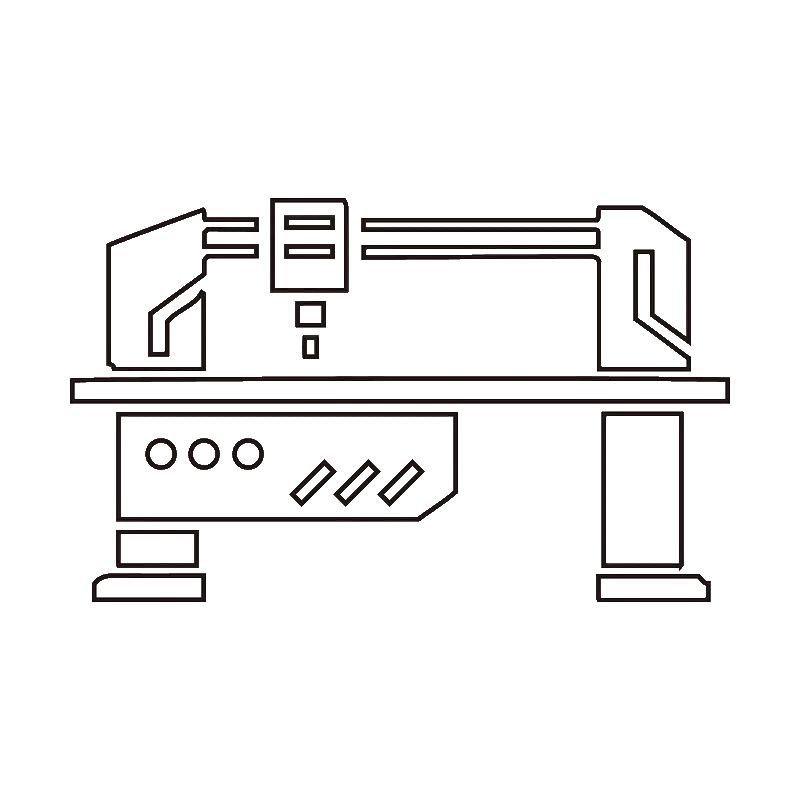
The main components of a 5 axis laser cutting machine include the laser source, cutting head, CNC control system, motion system, assist gas system, and machine bed. Together, these parts determine the machine’s speed, accuracy, stability, and cut quality.
The laser source generates the high-energy beam and influences power, stability, and material capability. The cutting head focuses and directs the beam, supporting precise spot control and angled cutting. The CNC control system runs the cutting program and coordinates axis movement and timing. The motion system moves the axes and positioning units to create smooth 3D trajectories. The assist gas system removes molten material and improves edge quality and cutting speed. The machine bed supports the full structure and helps improve rigidity and cutting stability.
For brands like WEIYA, machine stability and control integration are especially important because they affect both production consistency and customer support quality. In real project discussions, buyers usually ask first about power, cutting head configuration, and supported materials.
What Parts 5 Axis Laser Cutting Machine Can Cut
A 5 axis laser cutting machine can process 3D parts, angled cuts, curved profiles, formed components, tubes, and geometries that require beveled or multi-side access. It is especially useful when a part cannot be fully processed from a single flat direction.
Common applications include aerospace structures, automotive parts, custom brackets, sheet-metal assemblies, tubes, channels, and irregular profiles. For example, a formed metal part that needs accurate trimming after bending is much easier to process when the laser head can tilt and rotate.
Key Benefits of 5 Axis Laser Cutting Machine
The main advantages of 5 axis laser cutting are flexibility, accuracy, fewer setups, and better handling of complex parts. That makes it a strong fit for manufacturers that want higher efficiency without losing quality.
Fewer setups reduce manual repositioning and shorten lead time. Better access to complex surfaces makes it easier to cut angled and curved areas. High precision and repeatability support demanding industrial parts. Cleaner cuts reduce the need for secondary finishing. These capabilities also create more value for customers in custom or low-volume production.
In the market, laser cutting is already known for precision and speed, and 5 axis systems extend those strengths to more complex geometries. For manufacturers evaluating return on investment, the biggest value often comes from fewer setups and a broader range of usable parts.
5 Axis vs 3 Axis Laser Cutting Machine
A simple way to understand the upgrade is to compare how much freedom each machine has when approaching a part. Three axis machines are best for flat cutting, while 5 axis machines are designed for parts that need orientation changes during cutting.
A 3 axis machine moves along X, Y, and Z and is ideal for flat sheet parts. A 5 axis machine adds A and B rotation, making it suitable for 3D, angled, curved, and formed parts. Complex parts often require multiple setups on a 3 axis machine, while a 5 axis machine can often complete the job with fewer setups and more flexibility.
Why Customers Choose WEIYA 5 Axis Laser Cutting Machine
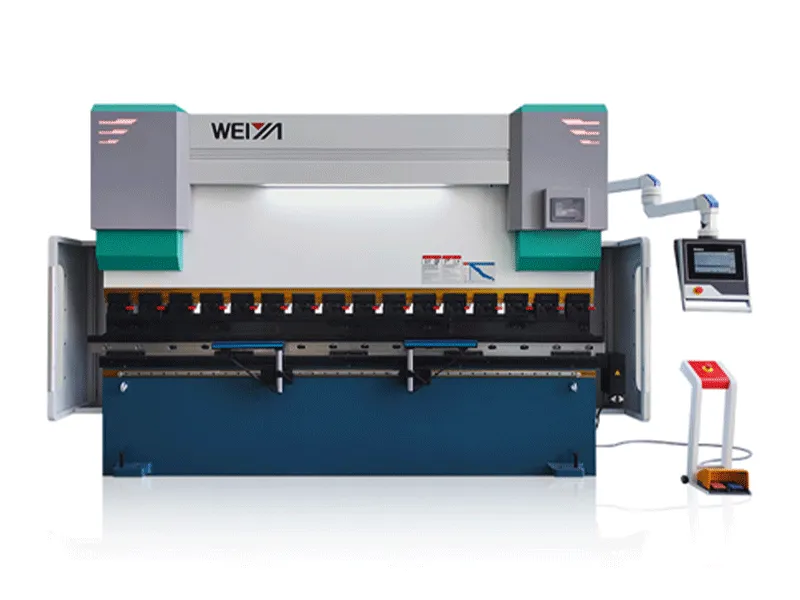
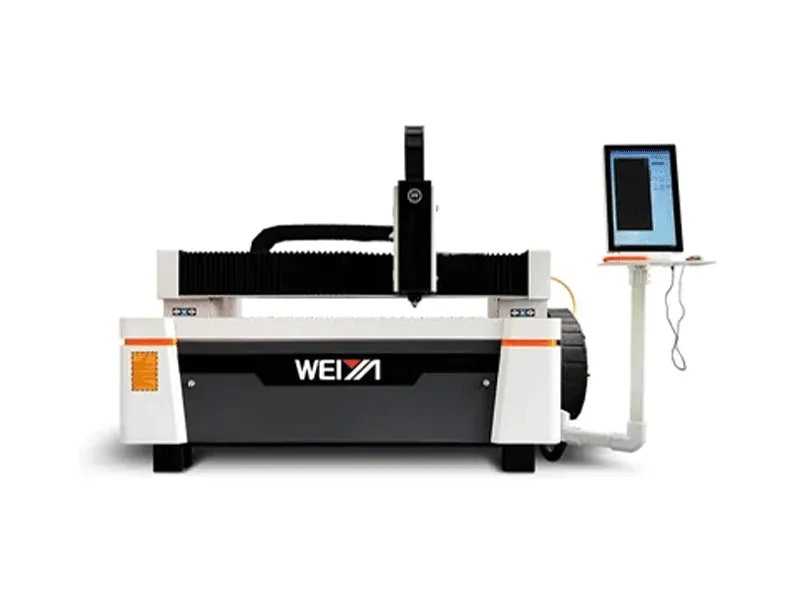
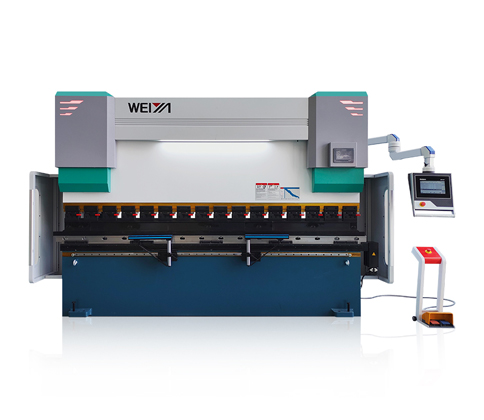
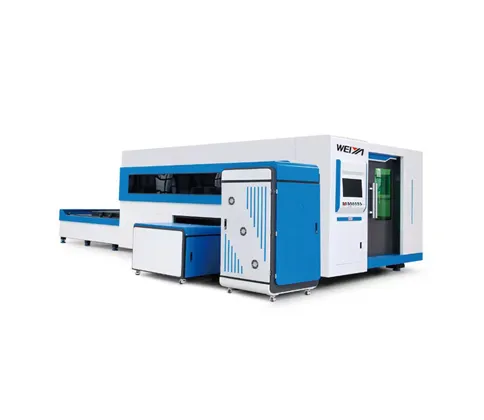
WEIYA is positioned as a manufacturer focused on CNC sheet metal machinery, including laser cutting machines, press brakes, and related solutions. That makes it a practical brand to consider for buyers who want both equipment and process support from one supplier.
If your project involves flat sheet, tube, or mixed-profile cutting, a consultation can help determine whether a 5 axis configuration is the right fit. The best results usually come from matching machine structure, laser source, and cutting head configuration to the exact part family and production target.
WEIYA offers laser cutting solutions for industrial metal fabrication needs.
Conclusion
A 5 axis laser cutting machine is a powerful choice for manufacturers that need precision, flexibility, and the ability to process complex parts in fewer setups. For businesses like WEIYA and for buyers searching for a reliable industrial solution, this technology offers a practical way to improve productivity while expanding design possibilities.