CNC laser cutting machines combine a high-energy laser beam, computer numerical control (CNC), and assist gas to cut metals and other materials with exceptional accuracy and repeatability. For manufacturers and engineers, understanding how these systems operate is essential for selecting the right machine configuration, optimizing productivity, and reducing overall cost per part.
How a CNC Laser Cutting Machine Works Step by Step
The CNC laser cutting process transforms a digital design into a physical component through precise coordination of laser energy, motion control, and assist gas. The workflow typically begins with part design using CAD software, where engineers create a 2D or 3D model and export it into a format suitable for laser cutting.
The design file is then processed in CAM software, which assigns cutting parameters such as power, speed, and gas type while arranging multiple parts efficiently on a sheet to reduce material waste. Once optimized, the system generates CNC code that defines the toolpath, piercing points, and process settings for the machine.
During setup, the operator loads the material, selects the appropriate program, and ensures that components such as the nozzle, lens, and focus position are correctly configured. The machine begins by piercing the material at designated points using concentrated laser energy. It then follows the programmed path, cutting through the material as the beam melts or vaporizes it.
Assist gas is simultaneously directed at the cutting zone to remove molten material and maintain a clean kerf. Throughout the process, sensors and the CNC system continuously monitor and adjust parameters such as speed, height, and power to ensure consistent cutting quality. Once completed, the parts are removed for further processing, while the machine proceeds to the next job, enabling high production efficiency.
Main Components of a CNC Laser Cutter and Their Functions
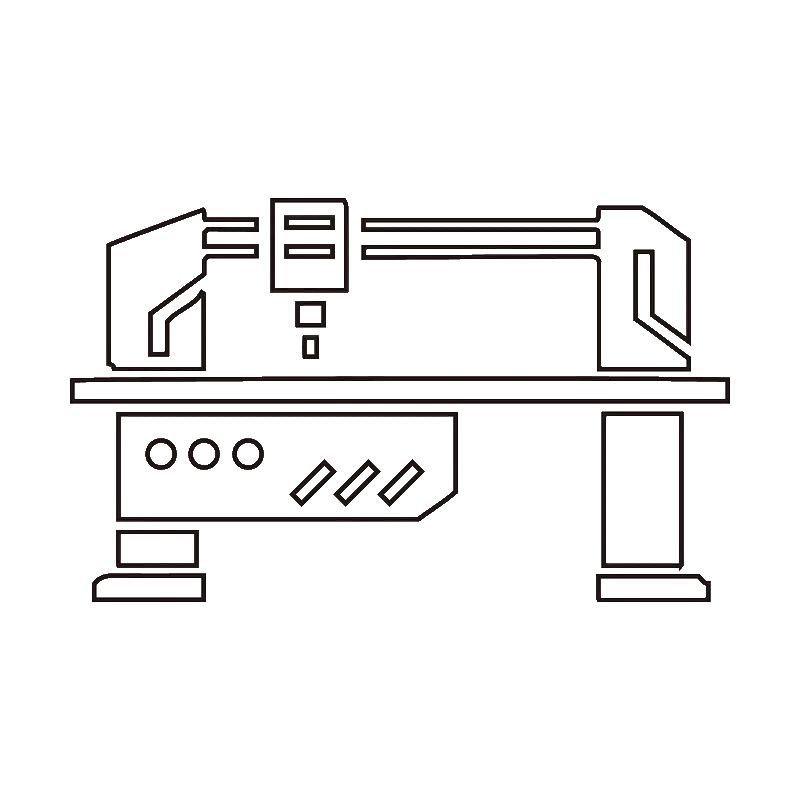
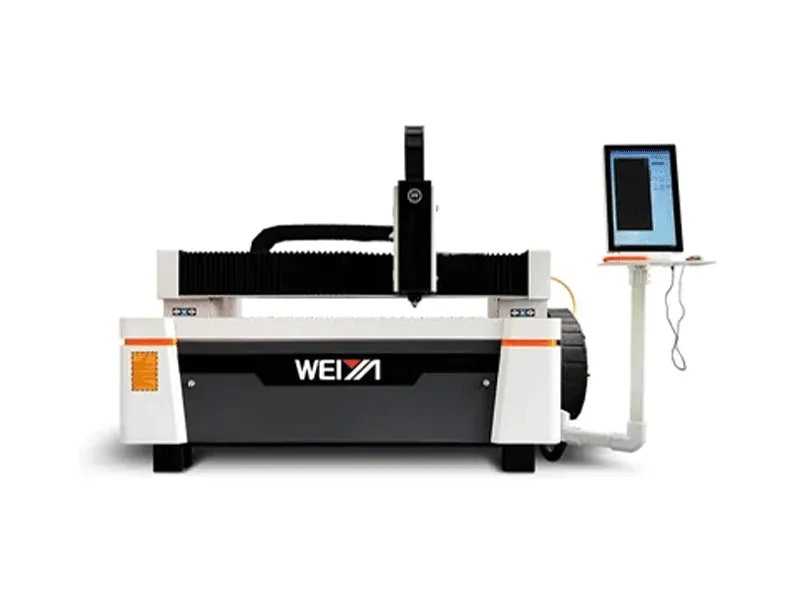
A CNC laser cutting machine consists of several integrated systems that work together to deliver precise cutting performance. The laser source generates the beam, with fiber lasers commonly used for metal processing due to their efficiency and low maintenance requirements.
The beam is transmitted through optical components that focus it into a small, high-energy نقط, enabling precise cutting. The cutting head houses these optics along with a nozzle and height-sensing system that maintains the correct distance between the laser and the workpiece.
The motion system, typically operating along X, Y, and Z axes, moves either the cutting head or the worktable with high speed and accuracy. This movement is controlled by the CNC system, which interprets programmed instructions and synchronizes all machine functions.
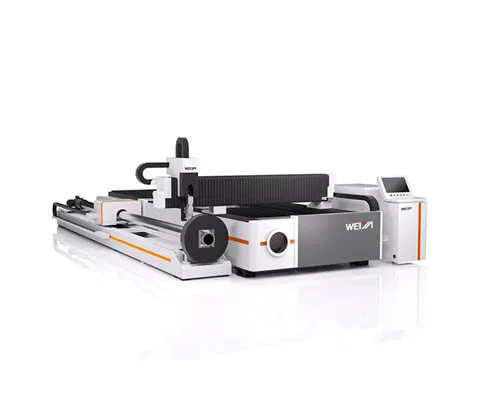
Additional components include the worktable that supports the material, the assist gas system that improves cutting performance, cooling units that stabilize the laser source, and filtration systems that remove fumes and debris. Safety enclosures and sensors are also essential, ensuring safe operation by protecting users from laser exposure and machine movement.
How CAD Files, CNC Controls, and Laser Beams Work Together
The interaction between CAD files, CNC controls, and the laser beam forms a seamless digital-to-physical workflow. CAD software defines the geometry and specifications of the part, which are then converted into machine instructions through CAM processing.
The CNC controller interprets these instructions and coordinates the movement of the machine axes with the activation of the laser beam. Advanced control systems continuously adjust motion and power output to maintain accuracy, especially when cutting curves, corners, or small features.
At the same time, the laser beam is modulated in real time to ensure that energy delivery matches the cutting requirements of each segment. This coordination allows the machine to reproduce complex designs with high precision while minimizing defects and material waste.
The Role of Assist Gas in CNC Laser Cutting
Assist gas plays a critical role in the laser cutting process by removing molten material and influencing both cutting speed and edge quality. Different gases are selected depending on the material and desired finish.
Oxygen is commonly used for cutting carbon steel because it reacts with the material to enhance cutting efficiency, although it may leave an oxidized edge. Nitrogen is preferred for stainless steel and aluminum when a clean, oxidation-free finish is required, as it prevents chemical reactions during cutting. Compressed air can also be used as a cost-effective option for certain thin materials, though it may not provide the same edge quality as pure gases.
Proper control of gas pressure and nozzle configuration is essential to achieving optimal results, as incorrect settings can lead to defects such as dross or uneven edges.
Motion Systems and Focal Length in Cutting
The performance of a CNC laser cutting machine is heavily influenced by its motion system and optical configuration. Motion systems determine how accurately and quickly the laser head can follow the programmed path, while focal length affects the size and intensity of the laser spot.
Different machine designs, such as flying optics or gantry systems, offer varying advantages in speed, stability, and material handling. High-performance systems can achieve rapid acceleration and precise positioning, making them suitable for demanding production environments.
Focal length and focus position must be carefully adjusted based on material thickness and cutting requirements. A shorter focal length produces a finer spot for detailed work, while a longer focal length provides greater depth of focus for thicker materials. Maintaining a consistent distance between the nozzle and the workpiece is also essential for achieving stable and accurate cuts.
Common Applications and Advantages of CNC Laser Cutting Machines
CNC laser cutting is widely used across industries such as sheet metal fabrication, automotive manufacturing, aerospace, electronics, and architectural design. It is particularly valuable for producing components with complex geometries and tight tolerances without the need for dedicated tooling.
Typical applications include metal enclosures, structural components, automotive parts, precision electronic components, and decorative panels. The process supports a wide range of materials and thicknesses, making it highly versatile for different manufacturing needs.
The advantages of CNC laser cutting include high precision, excellent repeatability, and the ability to quickly adapt to design changes. Because no physical tooling is required, manufacturers can reduce setup time and respond more efficiently to evolving production demands. The process also offers high cutting speeds, especially for thin materials, contributing to improved overall productivity.
CNC Laser Cutting Compared with Other Processes
When selecting a cutting method, manufacturers often compare CNC laser cutting with alternatives such as plasma cutting and punching. Laser cutting is known for its superior edge quality, high accuracy, and ability to produce intricate shapes with minimal finishing.
Plasma cutting is better suited for thicker materials but typically results in lower precision and rougher edges. CNC punching is efficient for high-volume production of simple shapes but requires dedicated tooling and is less flexible for complex designs.
Choosing the right process depends on factors such as material thickness, required accuracy, production volume, and overall cost efficiency.
Why Choose WEIYA CNC Laser Cutting Machines
WEIYA specializes in CNC laser cutting solutions designed to deliver stable performance, high efficiency, and ease of operation for industrial users. By integrating advanced laser sources with robust machine structures and intelligent control systems, WEIYA ensures consistent cutting quality across a wide range of applications.
In addition to equipment supply, WEIYA provides application support, including parameter optimization, sample testing, and project evaluation. Automation options such as loading systems and material handling solutions can further enhance productivity, helping manufacturers streamline their production lines.
Conclusion
CNC laser cutting machines integrate advanced motion control, high-energy laser sources, and assist gas systems to deliver precise, efficient, and flexible manufacturing solutions. By understanding how each part of the process works—from digital design to final cut—manufacturers can make informed decisions about equipment selection and process optimization. With the support of WEIYA, businesses can implement tailored laser cutting solutions that improve productivity, maintain consistent quality, and reduce overall manufacturing costs.