Press brakes are central to metal fabrication because they bend and form sheet metal quickly and accurately, but their use involves significant safety risks if not properly controlled. Understanding and applying OSHA requirements is essential to maintaining a safe shop floor and preventing serious injuries. This article explains the main OSHA expectations for press brake operation, outlines what employers must do to comply, and describes effective safeguarding and training practices that support both legal compliance and day-to-day operator safety.
OSHA Press Brake Standards: Ensuring Workplace Safety
The Occupational Safety and Health Administration establishes safety rules to protect workers in manufacturing and other high‑risk environments, including shops that use press brakes. These machines can cause severe harm through pinch points, unexpected motion, or improper handling, so OSHA requires employers to install and maintain effective safeguards. Regulations call for measures that prevent access to hazardous areas, especially at the point of operation where the metal is being formed. OSHA also requires proper lockout/tagout (LOTO) procedures during servicing and maintenance so the machine cannot be energized or cycled while someone is working on it. When these standards are followed, companies reduce the likelihood of injury, avoid unplanned downtime from accidents, and strengthen a culture where safety is treated as a core production priority rather than an afterthought.
Key Regulations and Guidelines for Press Brake Operation
OSHA’s General Industry Standards in 29 CFR 1910 set out expectations that apply directly to press brake safety. One major requirement is machine guarding: press brakes must have appropriate guards or protective devices that prevent hands or other body parts from entering danger zones while the machine is operating. Common solutions include light curtains or other presence‑sensing devices positioned so the machine stops if someone breaks the protective field. Another requirement is the presence of clearly marked, easily reachable emergency stop controls that can immediately shut down the machine in an emergency. OSHA also emphasizes that operators must be thoroughly trained, not only on how to run the press brake but also on how to use guards, follow safe work practices, and respond when something goes wrong. These elements together form a baseline for safe, compliant press brake operation.
Employer Responsibilities: Compliance with OSHA Press Brake Rules
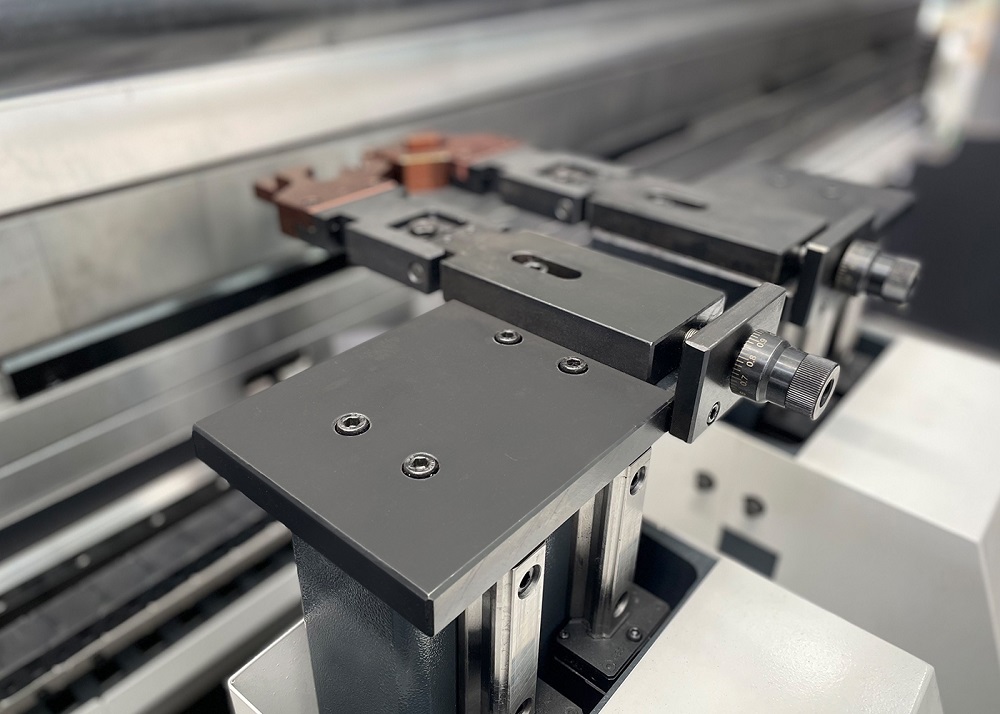
Employers bear the primary responsibility for ensuring that OSHA requirements related to press brakes are consistently met. This responsibility includes providing properly guarded and maintained equipment, implementing written safety procedures, and enforcing those procedures in daily work. Regular safety inspections and audits should be conducted to identify missing guards, malfunctioning safety devices, or unsafe practices so they can be corrected before they lead to injuries. Employers must also offer comprehensive initial and refresher training so operators stay current with safe operating methods, emergency procedures, and any changes to equipment or processes. When management actively supports safety—by investing in improvements, addressing hazards promptly, and encouraging employee reporting—incident rates typically fall and workers gain confidence that their well‑being is being taken seriously.
Safeguarding Mechanisms: Protecting Operators from Hazards
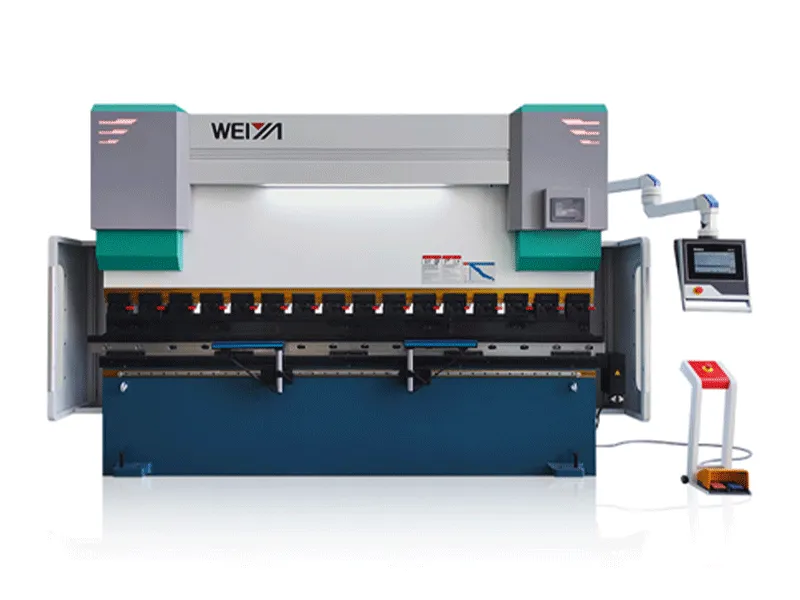
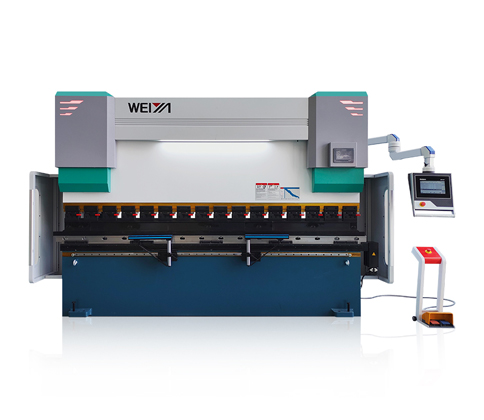
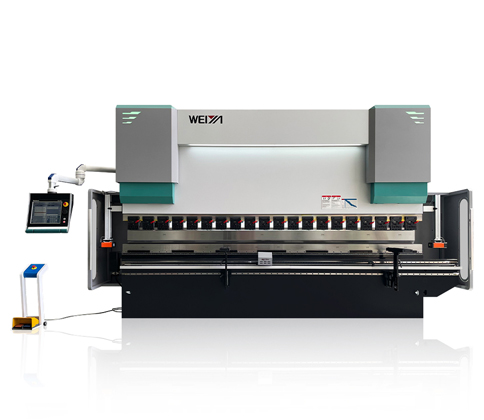
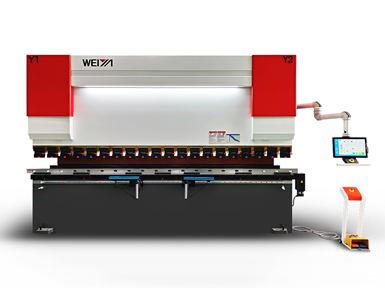
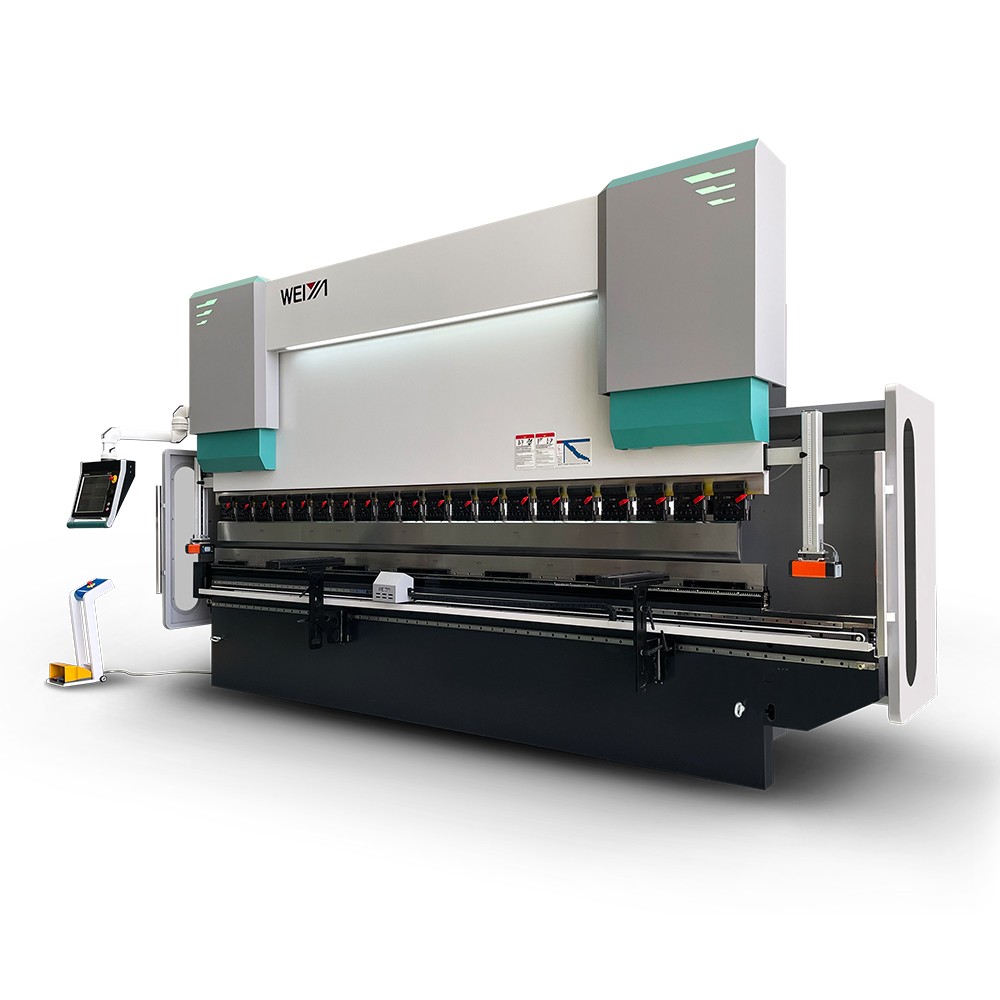
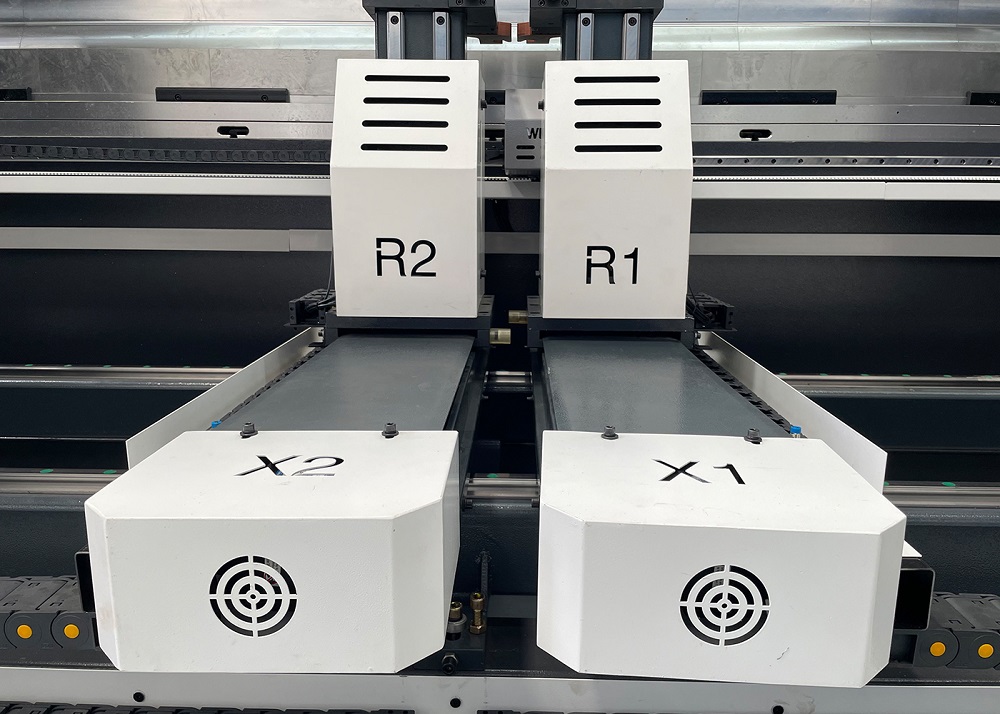
Effective safeguarding is at the heart of OSHA’s expectations for press brake safety. Modern machines from manufacturers such as WEIYA incorporate advanced protective technologies designed to reduce risk at the point of operation. Light curtains create an invisible field in front of the tooling; if the field is interrupted, the system automatically stops the ram before contact can occur, helping protect hands and fingers. Two‑hand controls require the operator to use both hands to initiate a stroke, keeping them away from the danger area during the cycle. Robust emergency stop systems, located within easy reach, provide a final layer of protection by allowing immediate shutdown if an unsafe condition develops. When properly installed, maintained, and tested, these safeguards significantly lower the chance of serious injuries while allowing operators to work with confidence and efficiency.
Training Requirements and Best Practices for Press Brake Safety
Training is a critical component of OSHA compliance and an essential part of keeping operators safe around press brakes. Employers should establish structured training programs that cover hazard recognition, correct setup and operation, use of guarding devices, lockout/tagout procedures, and emergency stop actions. Refresher training is important whenever equipment is upgraded, processes change, or incident trends indicate that knowledge gaps exist. Providing written instructions, visual aids, and accessible safety manuals helps reinforce proper techniques. Regular safety meetings, near‑miss reviews, and open discussions about risks encourage workers to stay alert and engaged. When training is treated as an ongoing process rather than a one‑time event, organizations typically see fewer accidents and smoother, more consistent production.
Knowing and applying the OSHA framework for press brakes is essential for any metal fabrication operation that wants to protect its workers and maintain reliable production. By understanding key regulations, fulfilling employer responsibilities, implementing robust safeguarding systems, and investing in thorough training, companies can greatly reduce the likelihood of injuries at the press brake. As equipment manufacturers such as WEIYA continue to add advanced safety features to their machines, it becomes even more important for employers to integrate those technologies into a broader safety program that supports long‑term compliance and a strong safety culture.