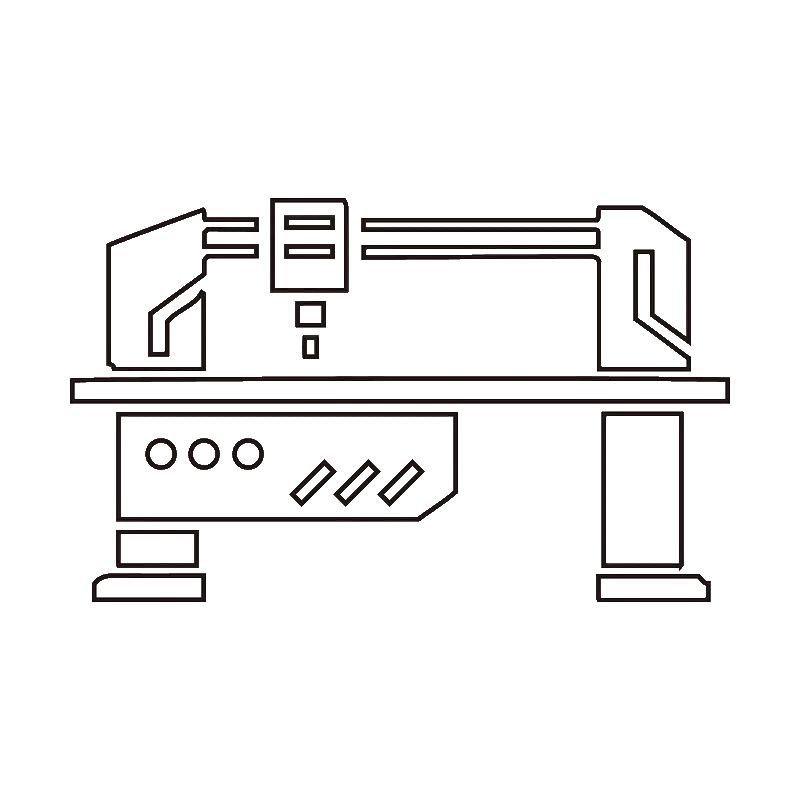
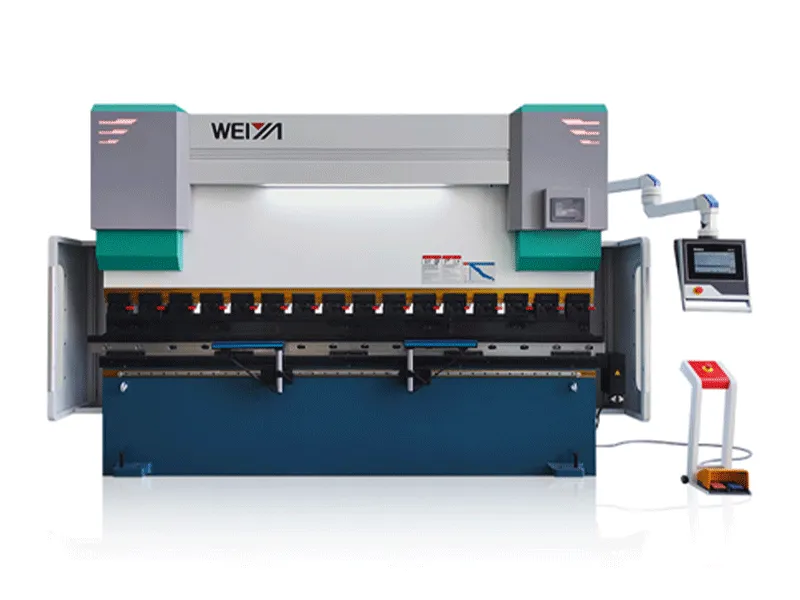
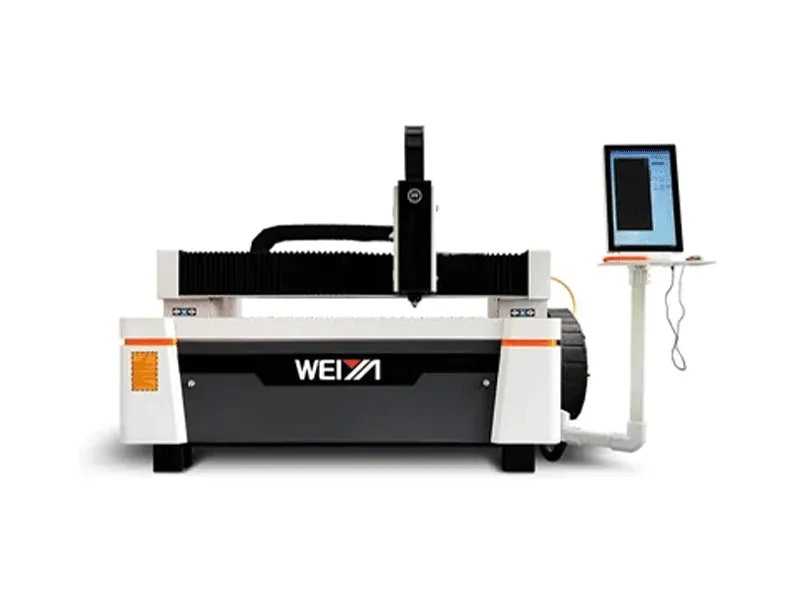
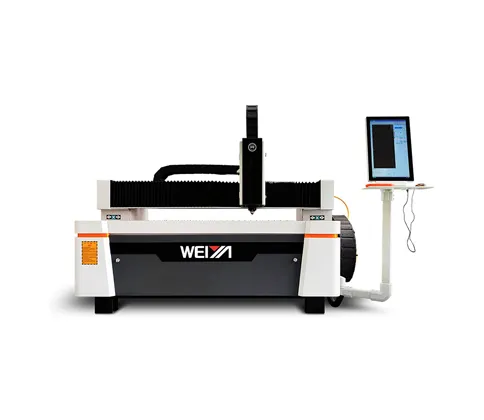
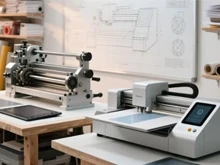
CNC laser cutting is a high-precision manufacturing process that uses a focused laser beam and computer control to cut or engrave a wide range of materials, including metals, plastics, and wood. Whether operating a lower-power system or a high-output industrial machine, following standardized procedures is essential for ensuring safety, maintaining cut quality, and maximizing machine efficiency. Proper operation also helps reduce downtime and supports consistent production performance.
How to Operate a CNC Laser Cutting Machine Safely and Correctly
Safe and correct operation of a CNC laser cutting machine depends on a combination of proper personal protective equipment, accurate machine setup, correct parameter selection, and continuous monitoring during operation. Industrial laser systems can pose serious risks if misused, including potential injury to eyes and skin or fire hazards when cutting inappropriate materials.
Operators should always wear suitable protective equipment, including laser-rated safety glasses and gloves appropriate for the material being handled. Before starting the machine, it is important to confirm that the safety enclosure is fully closed, interlock systems are functioning correctly, and all warning indicators are clearly visible. Only materials verified as laser-safe should be processed, as certain plastics and coated materials can release hazardous fumes when exposed to laser energy.
Following established operating procedures for each shift ensures consistent performance and reduces the likelihood of accidents. For companies seeking to standardize operations, WEIYA can provide guidance on creating machine-specific safety and operating protocols tailored to different industries and applications.
Pre-Operation Checklist: Machine Setup
A pre-operation checklist is a structured routine that operators complete before starting a job to ensure that the machine is ready for safe and efficient operation. Spending a few minutes on these checks at the beginning of each shift can prevent many common issues, such as incorrect focus, poor ventilation, or equipment damage.
Operators should confirm that the power supply is stable and that emergency stop functions are working properly. The machine enclosure and safety interlocks must be checked to ensure they respond correctly when opened. Ventilation and filtration systems should be activated to maintain a clean working environment and prevent the buildup of fumes.
It is also important to verify that assist gas supplies are set to the correct pressure for the material being processed. Optical components such as lenses and nozzles should be inspected for cleanliness and alignment, while the cooling system should be operating within the recommended temperature range. Finally, the CNC controller should be initialized, and the machine axes should be referenced to ensure accurate positioning.
WEIYA recommends maintaining a clear and accessible checklist near each machine so that all operators follow consistent procedures.
Material Loading and Calibration
Material loading and calibration involve positioning the workpiece securely and ensuring that the laser head is correctly aligned before cutting begins. Proper setup reduces material waste, improves cut quality, and minimizes the risk of machine collisions.
Operators should first confirm that the material type and thickness match the job requirements, as cutting parameters vary significantly between materials. The workpiece should be clean and flat to maintain a consistent focal distance during cutting. For heavier materials, appropriate lifting equipment should be used to ensure safe handling.
Before starting the job, the operator should verify that the cutting head can move freely across the material without obstruction. Calibration steps include setting the correct focus position, aligning the nozzle to ensure proper beam centering, and defining the work origin. Running a dry test without activating the laser is a useful way to confirm that the toolpath and positioning are correct.
Step-by-Step Guide to Programming and Running a CNC Laser Cut Job
Programming and executing a CNC laser cutting job involves converting a design into machine instructions and carrying out the process under controlled conditions. The workflow begins with creating or importing a design file using CAD software.
The design is then processed in CAM software, where cutting parameters are assigned and parts are arranged efficiently on the material. After generating the CNC program, the operator should simulate the cutting path to detect any potential errors or collisions.
Once the program is loaded into the machine, a dry run should be performed to verify movement and positioning. After confirming that all settings are correct, the operator can begin cutting while closely monitoring the process, particularly during the initial stages. After the first parts are completed, they should be inspected for dimensional accuracy and edge quality, and adjustments should be made if necessary before continuing full production.
Common Operating Mistakes and How to Avoid Them
Operators often encounter recurring issues that can affect both safety and production quality. One common mistake is skipping test cuts when changing materials or thickness, which can lead to poor edge quality or incomplete cuts. Incorrect focus settings or mismatched optics can also reduce precision and increase kerf width.
Inadequate ventilation can cause smoke buildup and contaminate optical components, while cutting unsuitable materials may release harmful gases or damage the machine. Leaving the machine unattended during operation increases the risk of undetected problems, including fire hazards or mechanical collisions.
Another frequent issue is failing to check material flatness or cutting height, which can result in the nozzle contacting the workpiece. These problems can be minimized through proper training, routine checks, and adherence to standard procedures. WEIYA offers operator training programs that help users identify and avoid these common errors.
Maintenance and Safety Best Practices for CNC Laser Machine Operators
Regular maintenance and adherence to safety practices are essential for ensuring long-term machine performance and operator protection. Routine cleaning of the work area prevents debris from interfering with the cutting process, while regular inspection of optical components helps maintain consistent beam quality.
The cooling system should be monitored to ensure stable operating temperatures, and assist gas systems should be checked to maintain proper flow and purity. Establishing a strong safety culture is equally important, with clear training requirements, documented operating procedures, and a system for reporting and addressing potential issues.
WEIYA provides maintenance support and technical services to help users keep their equipment operating reliably and within specified performance standards.
Fiber vs CO₂ CNC Laser Cutters: Key Operating Differences
Fiber and CO₂ laser cutting machines differ in their operating principles, which affects how they are used in production. Fiber lasers are typically more efficient and are widely used for cutting metals due to their high absorption rate and lower operating costs.
CO₂ lasers, on the other hand, are better suited for non-metal materials such as wood, plastics, and certain composites. They may require more frequent optical maintenance and generally consume more energy compared to fiber systems.
Understanding these differences helps operators choose the appropriate machine for their application and adjust operating procedures accordingly. WEIYA offers both fiber and CO₂ solutions and can assist in selecting the best configuration based on production requirements.
Conclusion
Operating a CNC laser cutting machine safely and correctly is essential not only for protecting operators and equipment but also for achieving consistent, high-quality production results. By following structured procedures, maintaining proper calibration, and implementing regular maintenance practices, manufacturers can maximize efficiency and minimize defects. With support from WEIYA, businesses can implement reliable laser cutting solutions, improve operational safety, and enhance overall productivity while meeting the demands of modern manufacturing.