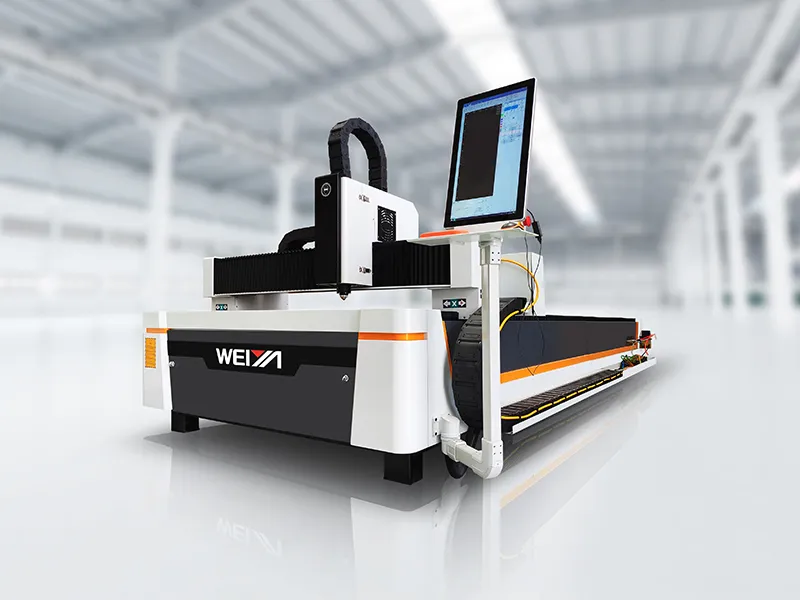
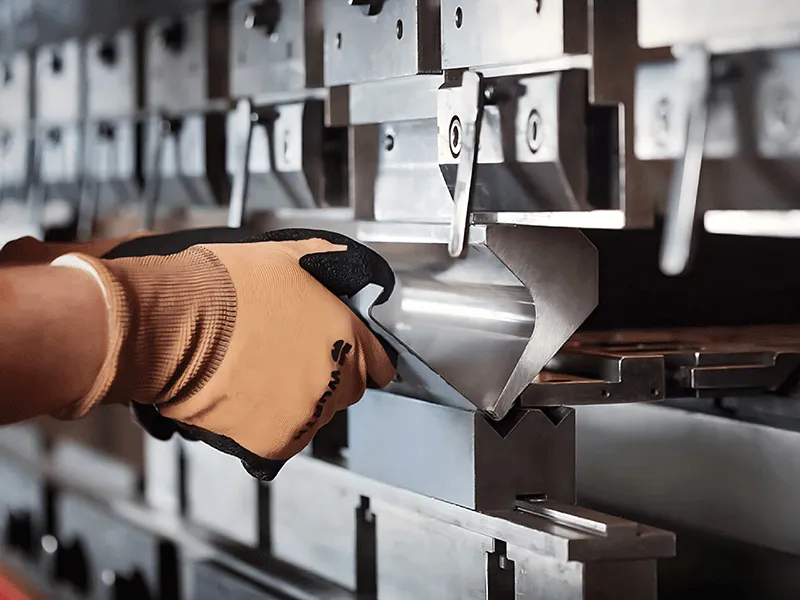
In modern manufacturing, punch press machines and press machines are core equipment for metal sheet processing and parts forming, widely used in automotive, home appliance, electronics, and aerospace industries. While they share technological connections, they also have distinct functional differences. A deep understanding of their principles, classifications, and application points is crucial for improving production efficiency, controlling product quality, and ensuring safe production.
I. Basic Concepts and Core Functions
1. Punch Press Machine
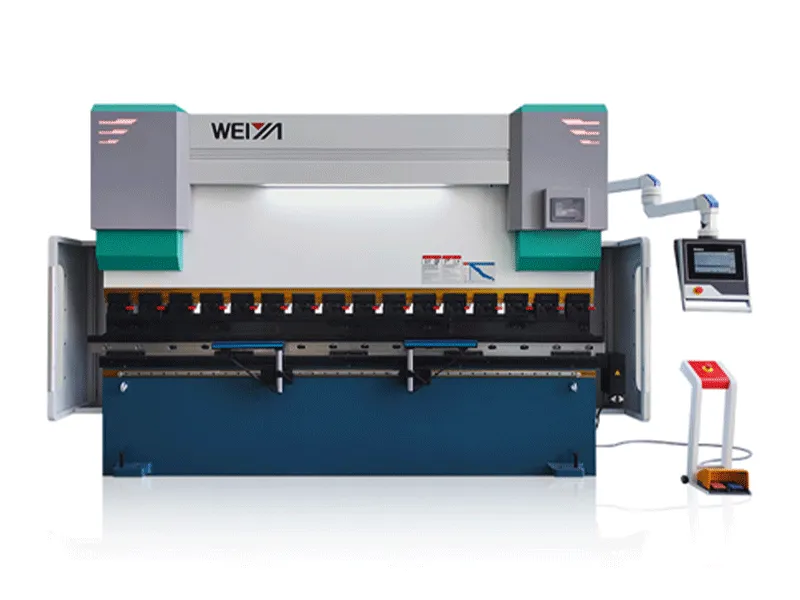
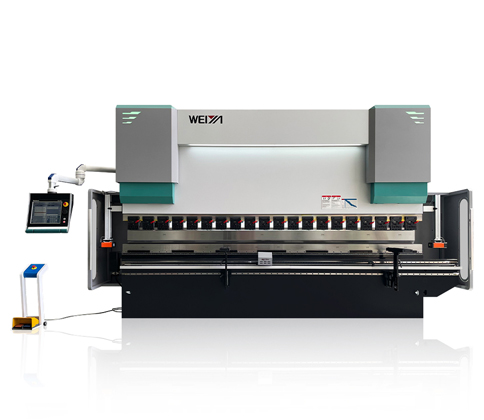
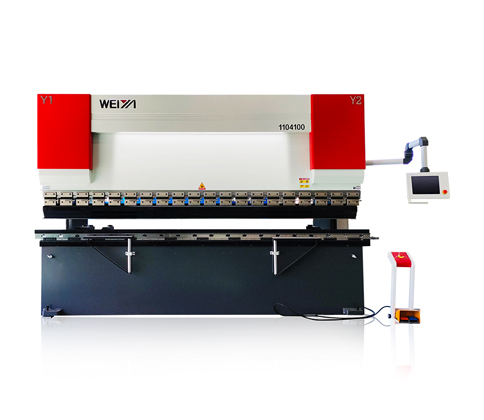
A punch press machine (or simply "punch press") is a specialized equipment that applies pressure to metal sheets through a stamping die, causing plastic deformation or separation to obtain workpieces of the desired shape and size. Its core functions include punching, blanking, bending, stretching, and flanging. The processing process is characterized by "the die determines the shape of the workpiece," making it suitable for large-scale standardized production.
For example, car body parts such as doors and chassis components, and home appliance parts such as washing machine inner drums and refrigerator casings, are mostly continuously processed and formed using punch press machines. The processing time per piece can be shortened to 0.5-5 seconds, and the production efficiency far exceeds traditional cutting processes.
2. Press Machine
A press machine is a broader concept, referring to equipment that transmits energy to a slider through a power device (hydraulic, mechanical, pneumatic, etc.) to apply pressure to a workpiece to achieve forming, pressing, assembly, and other processes. Its processing objects are not limited to metals, but also include plastics, rubber, powder metallurgy materials, etc., and its application scenarios cover stamping, forging, extrusion, and press fitting.
From a scope perspective, a punch press machine is a subcategory of a press machine, but the application range of a press machine is wider – for example, a hydraulic press can be used for metal forging and demolding after plastic injection molding, and a pneumatic press can be used for press fitting of small parts.
II. Working Principle and Key Components
1. Core Working Principle
Whether it's a stamping machine or a press, the core principle is "energy conversion and transmission":
Mechanical equipment: The electric motor drives the flywheel to rotate and store energy. The clutch controls the rotation of the crankshaft, and the crankshaft and connecting rod work together to convert the rotational motion into the reciprocating motion of the slider, ultimately applying pressure to the workpiece through the mold;
Hydraulic equipment: The hydraulic pump converts the mechanical energy of the electric motor into the pressure energy of the hydraulic oil. The pressurized oil enters the hydraulic cylinder through the control valve, pushing the piston (driving the slider) to move and achieve pressure output; during the return stroke, the directional control valve controls the return flow of the hydraulic oil, and the slider resets.
2. Analysis of Key Components
Slider: Directly connected to the upper mold, it is the core component for transmitting pressure and achieving reciprocating motion. Its motion accuracy (such as parallelism and perpendicularity) directly affects the machining accuracy of the workpiece;
Worktable: Used to install the lower mold and support the workpiece. The worktables of large presses are usually equipped with T-slots for easy mold fixing and position adjustment;
Power system: The "electric motor + flywheel + crankshaft" of mechanical stamping machines, the "hydraulic pump + hydraulic cylinder" of hydraulic equipment, and the "cylinder + air compressor" of pneumatic equipment are the sources of power for the equipment;
Control system: Modern equipment mostly uses PLC or CNC systems to achieve precise control of slider stroke, pressure, and speed. Some high-end models also support automated loading and unloading;
Safety protection devices: Including safety light curtains, emergency stop buttons, and overload protection devices, these are crucial for ensuring the safety of operators.
III. Selection Considerations and Safe Operation
1. Key Equipment Selection Indicators
Nominal Pressure: The maximum pressure the equipment can withstand, which should be selected based on the workpiece material thickness and forming process;
Slide Stroke: The maximum distance the slide moves up and down (unit: mm), which must meet the mold closing height and workpiece forming depth requirements;
Stroke Frequency: The number of reciprocating movements of the slide per minute, which affects production efficiency (high stroke frequency models are suitable for small batches of small parts, while low stroke frequency models are suitable for complex large parts);
Worktable Size: Must match the mold size to ensure stable mold installation and provide space for loading and unloading workpieces.
2. Safe Operation Guidelines
Equipment Inspection: Before starting, check the hydraulic oil/lubricant level, whether the safety light curtain is working properly, and whether the mold is securely fastened to avoid operating the equipment with malfunctions;
Personnel Protection: Operators must wear protective gloves and safety helmets. It is strictly prohibited to put hands or body parts into the slide movement area. If mold adjustment is required, the power must be switched off first;
Emergency Handling: In case of equipment abnormalities (such as unusual noise, slide jamming), immediately press the emergency stop button. After the equipment has stopped completely, troubleshoot the problem. Forcing the equipment to start is prohibited;
Regular Maintenance: Regularly clean the equipment, replace hydraulic oil/filters, and check the wear of transmission components to extend the service life of the equipment.