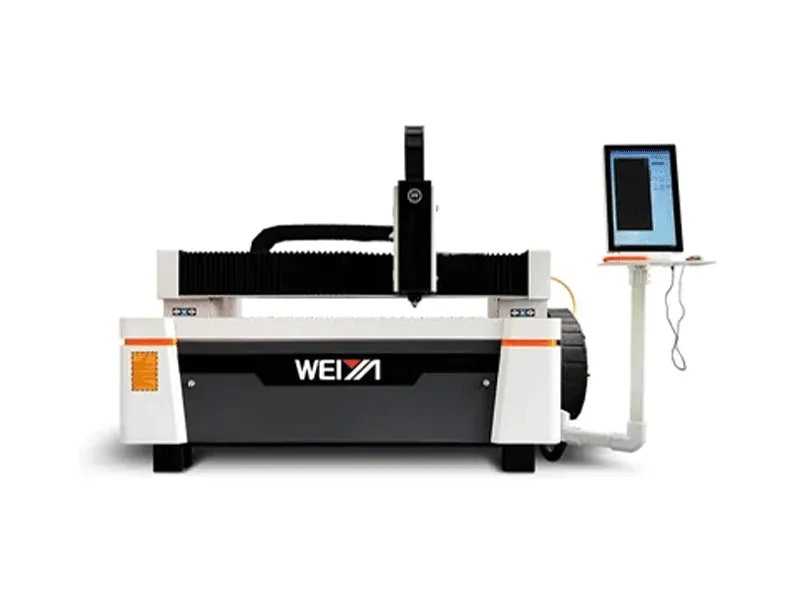
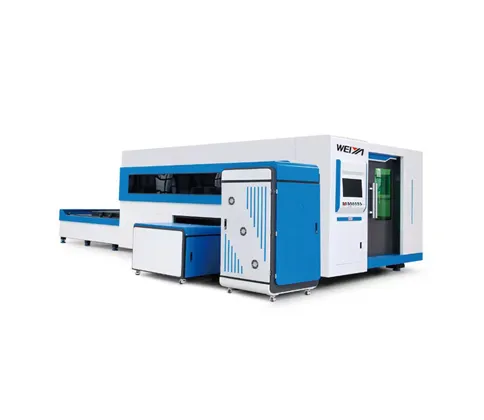
Laser cutting has become a cornerstone of modern manufacturing, valued for its precision, speed, and versatility in processing metals, plastics, and composites. A critical yet often overlooked component of this technology is laser cutting gas—a specialized gas (or gas mixture) that interacts with the laser beam and workpiece to optimize cutting performance, ensure cut quality, and protect equipment. Unlike "assist gases" (a broader term), laser cutting gases are tailored to specific materials and cutting goals, such as enhancing combustion, removing molten debris, preventing oxidation, or cooling the workpiece. This article explores the key types of laser cutting gases, their working principles, selection criteria, practical applications, and essential safety guidelines.
1. Key Types of Laser Cutting Gases and Their Characteristics
The choice of laser cutting gas depends primarily on the workpiece material (e.g., carbon steel, stainless steel, aluminum) and desired cut quality (e.g., oxide-free edges, smooth surfaces). Below are the most widely used gases, along with their unique properties and use cases.
1.1 Oxygen (O₂)
Oxygen is the most common laser cutting gas for carbon steel (mild steel, low-alloy steel) and some high-carbon steels. Its primary role is to act as an oxidizing agent, enhancing the laser’s energy output through exothermic reactions.
•Working Principle: When the high-energy laser beam melts the steel surface, oxygen reacts with the molten iron to form iron oxide (Fe₃O₄, Fe₂O₃), releasing large amounts of heat. This additional heat reduces the laser’s energy requirement to fully penetrate the material, while the gas flow blows away molten oxide and debris (called "dross") from the cut kerf (the narrow slot created by cutting).
•Advantages:
◦Low cost compared to inert gases (e.g., nitrogen).
◦Faster cutting speeds (up to 30% faster than nitrogen for thick carbon steel, e.g., 10–20mm plates).
◦Efficient dross removal, minimizing post-cut cleaning.
•Limitations:
◦Leaves a thin oxide layer on the cut edge (typically 5–15μm), which may require grinding or pickling for applications requiring paint adhesion or corrosion resistance.
◦Not suitable for non-ferrous metals (e.g., aluminum, copper) or stainless steel—oxygen reacts with chromium in stainless steel to form brittle chromium oxides, ruining the material’s corrosion resistance.
•Typical Applications: Carbon steel structural parts (construction, automotive frames), thick steel plates (machinery bases), and low-precision components where oxide layers are acceptable.
1.2 Nitrogen (N₂)
Nitrogen is an inert gas (chemically unreactive under laser cutting conditions) and the preferred choice for non-ferrous metals (stainless steel, aluminum, copper) and high-precision carbon steel applications. Its core function is to create an oxygen-free environment to prevent oxidation and produce clean, oxide-free cuts.
•Working Principle: Unlike oxygen, nitrogen does not react with the workpiece. Instead, the high-pressure nitrogen flow (typically 8–15 bar) blows away molten material from the kerf, while the inert atmosphere blocks oxygen from reaching the hot cut edge. For stainless steel and aluminum, this eliminates oxide formation; for carbon steel, it produces a bright, "laser-bright" edge that requires no post-processing.
•Advantages:
◦Oxide-free, smooth cut edges (Ra < 3.2μm for stainless steel), ideal for medical devices, food processing equipment, or visible components.
◦Compatible with a wide range of materials (stainless steel, aluminum, brass, titanium).
◦Reduces post-cut processing (no grinding, pickling, or deburring).
•Limitations:
◦Higher cost than oxygen (due to nitrogen generation or cylinder costs).
◦Slower cutting speeds for thick materials (e.g., 20mm stainless steel cuts 15–20% slower than carbon steel with oxygen).
◦Requires higher laser power (≥3kW) for thick plates to ensure full penetration, as no exothermic reaction aids melting.
•Typical Applications: Stainless steel kitchenware, aluminum aerospace components, medical implants, and precision sheet metal parts.
1.3 Compressed Air
Compressed air (filtered and dried to remove moisture and oil) is a cost-effective alternative to pure oxygen or nitrogen, suitable for low-demand applications and specific materials. It consists of ~21% oxygen, ~78% nitrogen, and trace gases, blending the properties of both oxidizing and inert gases.
•Working Principle: The oxygen in compressed air aids combustion for carbon steel (similar to pure oxygen but with lower intensity), while the nitrogen reduces oxidation (less than pure nitrogen). The high-pressure air flow (5–10 bar) removes molten debris, though less aggressively than pure gases.
•Advantages:
◦Extremely low cost (uses on-site compressors, no cylinder purchases).
◦Versatile for thin materials (≤6mm carbon steel, ≤3mm aluminum).
◦Simplified supply chain (no need to store or replace gas cylinders).
•Limitations:
◦Moisture or oil contamination (if not filtered) causes rust on cut edges or damages the laser lens.
◦Poor performance for thick materials (≥8mm) or high-precision parts (leaves minor oxidation).
◦Not suitable for reactive metals (e.g., titanium) or materials sensitive to oxygen (e.g., some plastics).
•Typical Applications: Low-cost carbon steel sheet metal (e.g., HVAC ducts, electrical enclosures), prototype manufacturing, and non-critical components.
1.4 Inert Gases (Argon, Helium)
Argon (Ar) and helium (He) are rare in standard laser cutting but essential for highly reactive metals (titanium, magnesium, zirconium) or materials prone to oxidation at high temperatures. These gases are fully inert, providing maximum protection against chemical reactions.
•Working Principle: Unlike nitrogen (which can react with some metals at extreme temperatures), argon and helium do not interact with the workpiece. They form a protective barrier around the cut zone, preventing oxidation and ensuring clean, metallurgically stable edges. Helium, with its higher thermal conductivity, also helps cool the workpiece, reducing heat-affected zones (HAZ).
•Advantages:
◦Zero oxidation, critical for aerospace or medical-grade reactive metals.
◦Minimal HAZ (especially helium), preserving material strength.
•Limitations:
◦Very high cost (helium is rare and expensive; argon is pricier than nitrogen).
◦Low cutting speeds (no exothermic reaction, requiring high laser power).
•Typical Applications: Titanium aircraft parts, magnesium alloy automotive components, and high-purity metal fabrication.
2. Key Factors for Selecting Laser Cutting Gases
Choosing the right laser cutting gas is not just about matching material type—it requires balancing cut quality, production efficiency, cost, and equipment compatibility. Below are the critical criteria to consider:
2.1 Material Type and Thickness
•Carbon Steel:
◦Thin plates (≤10mm): Oxygen (fast speed, low cost) or compressed air (cost-saving for non-critical parts).
◦Thick plates (>10mm): Oxygen (exothermic reaction aids penetration; nitrogen would require excessive laser power).
•Stainless Steel/Aluminum:
◦Thin plates (≤6mm): Nitrogen (oxide-free edges) or compressed air (low-cost, if minor oxidation is acceptable).
◦Thick plates (>6mm): Nitrogen (high pressure to remove molten material; argon for reactive aluminum alloys).
•Reactive Metals (Titanium, Magnesium): Argon or helium (inert protection against oxidation).
2.2 Cut Quality Requirements
•High Precision/Cosmetic Parts: Nitrogen (laser-bright edges, no post-processing) or argon (for reactive metals).
•Structural Parts (No Cosmetic Needs): Oxygen (acceptable oxidation, faster speed) or compressed air.
•Weldable Edges: Nitrogen (oxide-free edges ensure strong welds; oxygen-induced oxides weaken welds).
2.3 Production Speed and Efficiency
•High-Volume Manufacturing: Oxygen (for carbon steel) or nitrogen (for stainless steel/aluminum) with optimized gas pressure (higher pressure = faster dross removal).
•Low-Volume/Prototyping: Compressed air (cost-saving, no gas cylinder delays).
2.4 Cost Budget
•Low Cost: Compressed air > oxygen > nitrogen > argon/helium.
•Total Cost of Ownership (TCO): Consider not just gas costs, but post-processing (e.g., grinding oxide layers from oxygen cuts adds labor costs) and equipment wear (contaminated compressed air damages lenses, increasing maintenance costs).
2.5 Laser Equipment Compatibility
•Low-Power Lasers (<3kW): Avoid nitrogen for thick materials (insufficient power for penetration); use oxygen or compressed air.
•High-Power Lasers (>6kW): Nitrogen works for thick stainless steel/aluminum (power compensates for slow speed); oxygen for thick carbon steel.
•Gas Delivery Systems: Ensure the laser cutter supports the gas type (e.g., helium requires high-flow regulators; compressed air needs high-quality filters).
3. Practical Applications Across Industries
Laser cutting gases are tailored to industry-specific needs, with material and quality requirements driving gas selection:
3.1 Automotive Manufacturing
•Carbon Steel Frames: Oxygen (fast speed, high volume; oxide layers are removed during painting).
•Stainless Steel Exhausts: Nitrogen (oxide-free edges resist corrosion; no post-processing).
•Aluminum Body Panels: Nitrogen (smooth edges for assembly; avoids oxide-induced paint defects).
3.2 Aerospace and Defense
•Titanium Components: Argon (inert protection; no oxidation to compromise structural integrity).
•Stainless Steel Engine Parts: Nitrogen (high precision; weldable edges for assembly).
3.3 Medical Device Manufacturing
•Stainless Steel Surgical Tools: Nitrogen (laser-bright edges; no oxide to harbor bacteria).
•Titanium Implants: Helium (minimal HAZ; preserves biocompatibility and strength).
3.4 Sheet Metal Fabrication
•HVAC Ducts (Carbon Steel): Compressed air (low cost; minor oxidation is acceptable for non-visible parts).
•Kitchen Appliances (Stainless Steel): Nitrogen (cosmetic edges; no rusting in wet environments).
4. Safety and Maintenance Guidelines
Laser cutting gases pose unique hazards (e.g., fire, asphyxiation, pressure hazards) that require strict safety protocols:
4.1 Gas Storage and Handling
•Oxygen: Store away from flammable materials (oil, grease, propane) and heat sources. Never use oil-based lubricants on oxygen regulators (risk of combustion).
•Nitrogen/Argon/Helium: Store in well-ventilated areas. These gases displace oxygen—avoid confined spaces (risk of asphyxiation; use oxygen monitors).
•Compressed Air: Ensure compressors are equipped with moisture separators and oil filters to prevent contamination.
4.2 Gas Purity Control
•Use high-purity gases (≥99.95% for nitrogen, ≥99.99% for argon/helium) to avoid:
◦Oxide formation (from impure nitrogen).
◦Lens damage (from oil/moisture in compressed air).
◦Poor cut quality (from impurities blocking the laser beam).
4.3 Equipment Maintenance
•Inspect gas hoses and fittings weekly for leaks (use soapy water to detect bubbles; leaks waste gas and create hazards).
•Replace gas filters (for compressed air/nitrogen) monthly to prevent contamination.
•Clean the laser lens after 50–100 hours of use (contaminated lenses reduce beam power and cause uneven cuts).
4.4 Operator Safety
•Wear personal protective equipment (PPE): Safety glasses (laser-rated), heat-resistant gloves, and face shields (to protect against molten debris).
•Train operators on gas-specific hazards (e.g., oxygen fire risks, nitrogen asphyxiation) and emergency procedures (e.g., gas shut-off valves, oxygen resuscitation).