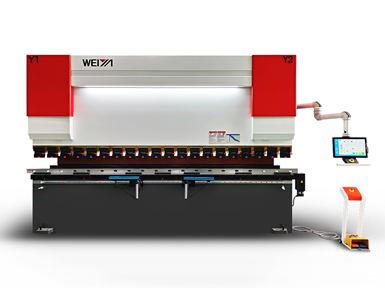
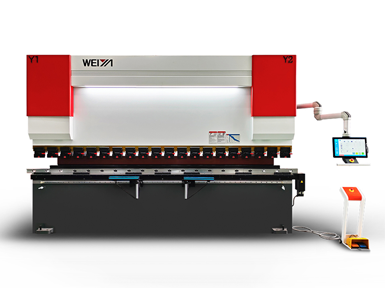
In metal fabrication, achieving precise bends is essential for producing components that fit accurately across different applications. Yet, terminology often causes confusion—particularly when distinguishing between a press brake and a bender. Although both are used to shape metal, their designs, functions, and ideal use cases differ. This article explores these two key machines, examining how they operate, where they’re applied, and how their advantages, limitations, and costs compare, helping you determine which equipment best suits your production needs.
Press Brake vs. Bender: Understanding the Core Distinctions
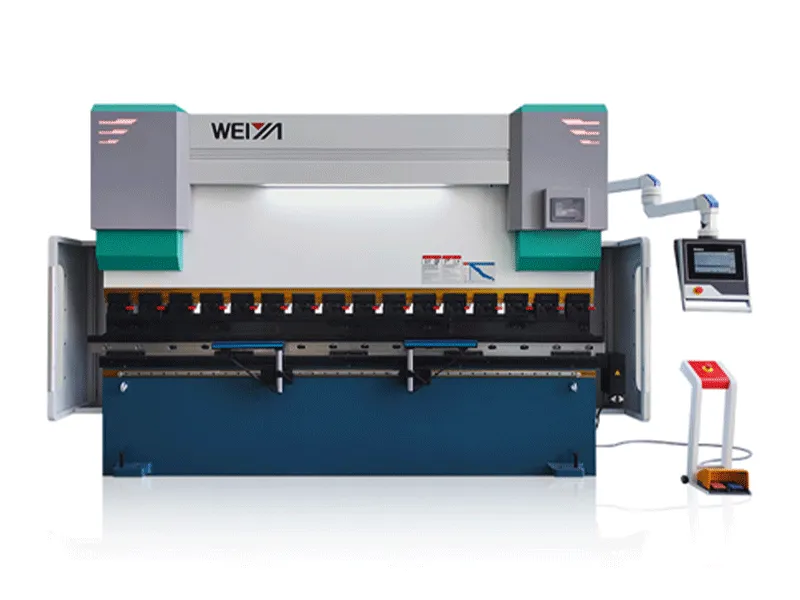
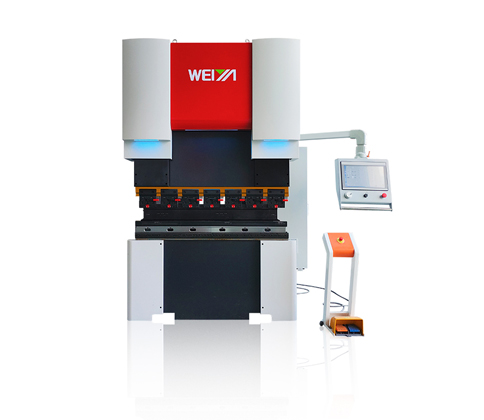
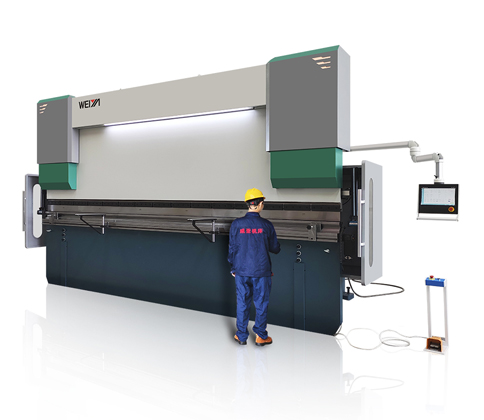
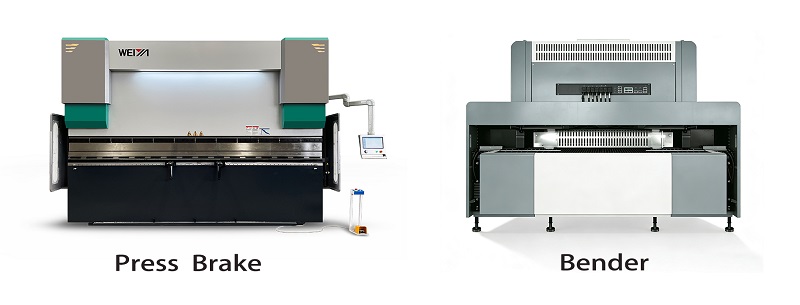
While some use “press brake” and “bender” interchangeably, they refer to distinctly different machines. A press brake is a precision tool designed specifically for bending sheet metal or plates by pressing the material between a punch and a die. In contrast, a bender is a broader term encompassing tools that form materials into various shapes—such as manual or powered benders—often suited for less demanding bends. Manual pipe benders, for example, are common in plumbing or HVAC work, while CNC press brakes from WEIYA Machinery handle complex industrial bends with remarkable accuracy. Modern press brakes, including advanced CNC models, feature multiple axes of motion for complex forming tasks, giving them a level of control and flexibility far beyond what conventional benders can provide.
Operational Mechanisms: How Press Brakes and Benders Differ
Press brakes and benders differ fundamentally in how they apply force. A press brake uses hydraulic or mechanical power to drive a punch downward onto metal positioned on a die, forming a bend according to the die’s shape. WEIYA press brakes often integrate advanced CNC technology, allowing for faster, more precise, and repeatable results. Benders, on the other hand, rely on manual or powered leverage to shape the material, often using rotational or pulling motions. These mechanisms make benders ideal for straightforward bends, while the structured control of a press brake makes it indispensable for intricate, high-accuracy production. This mechanical difference is a key reason why press brakes dominate in precision manufacturing environments.
Application Areas: When to Choose a Press Brake or a Bender
The choice between a press brake and a bender depends largely on the project’s complexity and precision requirements. Press brakes are preferred for demanding tasks in industries such as aerospace, automotive, and heavy manufacturing, where consistent accuracy and detailed geometries are critical. They excel in producing parts that require multiple or tight-tolerance bends. Benders, by contrast, are well-suited to simpler projects, like forming tubes or frames in plumbing, signage, or light construction. When deciding between the two, consider both the intricacy of the bends and the material thickness. Press brakes are better for thicker metals or large production runs, while benders are practical for straightforward or custom one-off jobs.
Capabilities and Limitations: A Comparative Analysis
Comparing the two machines reveals distinct strengths and weaknesses. Press brakes from WEIYA Machinery incorporate innovations such as hybrid servo motors that improve energy efficiency without compromising performance. They also include safety technologies like laser guarding systems that enhance user protection and operational reliability. In contrast, benders are generally less expensive and more flexible to operate but lack the precision and speed needed for high-volume, complex manufacturing. Their limitations in handling intricate geometries can lead to additional labor time and higher material waste. Therefore, selecting the right equipment depends on balancing accuracy needs, throughput goals, and budget constraints.
Cost and Efficiency: Making the Right Equipment Choice
Cost is another critical factor when comparing press brakes and benders. While a press brake involves a higher initial investment due to its advanced technology and engineering, it can provide substantial long-term savings. This comes from reduced scrap rates, shorter setup times, and consistent part quality. WEIYA machines further strengthen this value through modular designs that accommodate upgrades and future production changes. For operations that only require basic forming, a bender offers a more affordable solution. However, as production complexity and precision demand grow, investing in a press brake often delivers a better return through improved efficiency and scalability. Businesses focused on long-term quality and output typically find the press brake to be the more strategic choice.
Conclusion
Both press brakes and benders serve important but distinct roles in metal fabrication. Press brakes deliver unmatched precision and adaptability for complex manufacturing, while benders offer a straightforward and cost-effective approach for simpler tasks. Evaluating your operational requirements—from production volume to material types—and aligning them with your budget will guide you to the right decision. Exploring the advanced solutions available from WEIYA Machinery can help ensure your investment supports both current and future fabrication goals with optimal performance and reliability.