In metal fabrication, choosing between a folding machine and a press brake directly affects precision, speed, and the types of jobs you can take on. Although both systems create bends, they do so using different motions and force, which makes each one better suited to certain materials, thicknesses, and part geometries. Understanding these differences helps you match the machine to your production needs instead of forcing one tool to do everything.
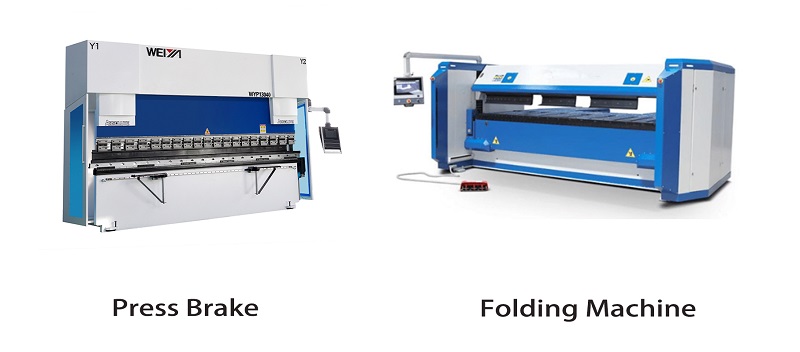
Folding Machines vs. Press Brakes: A Fundamental Comparison
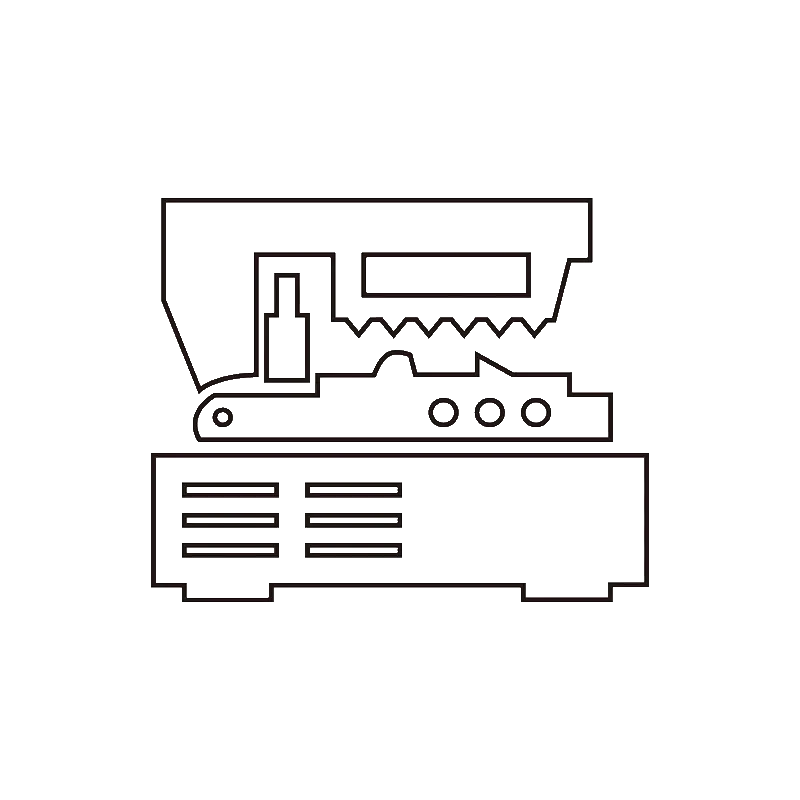
A folding machine bends sheet metal by clamping the workpiece along a straight line and then swinging a folding beam to create the angle. The material largely stays in place while only the flange is moved, which makes folding especially gentle on surface finishes and ideal for lighter sheets or large panels that need clean, cosmetic bends. This approach works very well when you need precise but relatively simple bends without extreme tonnage.
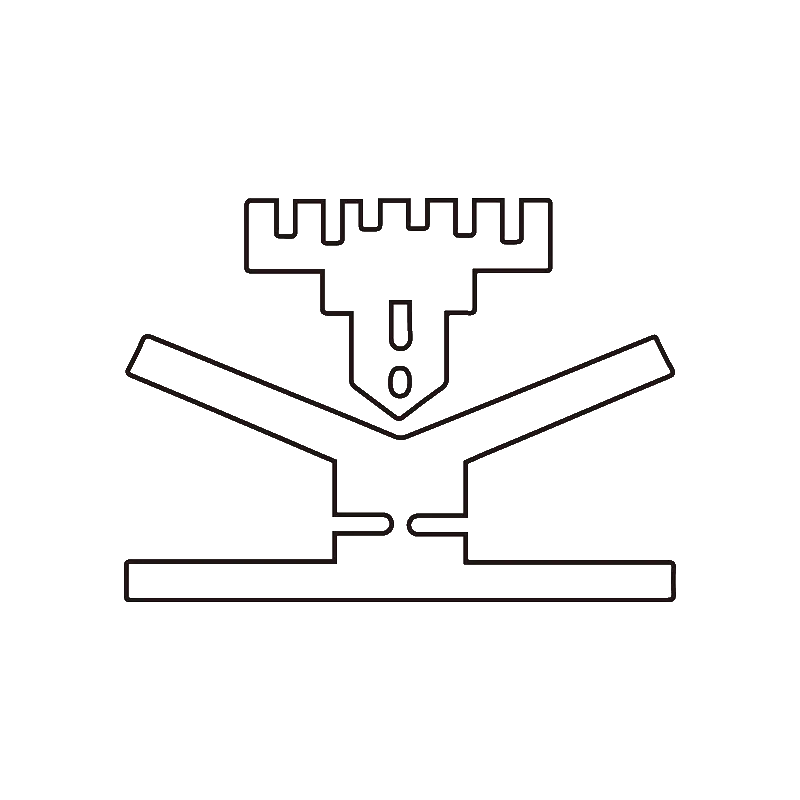
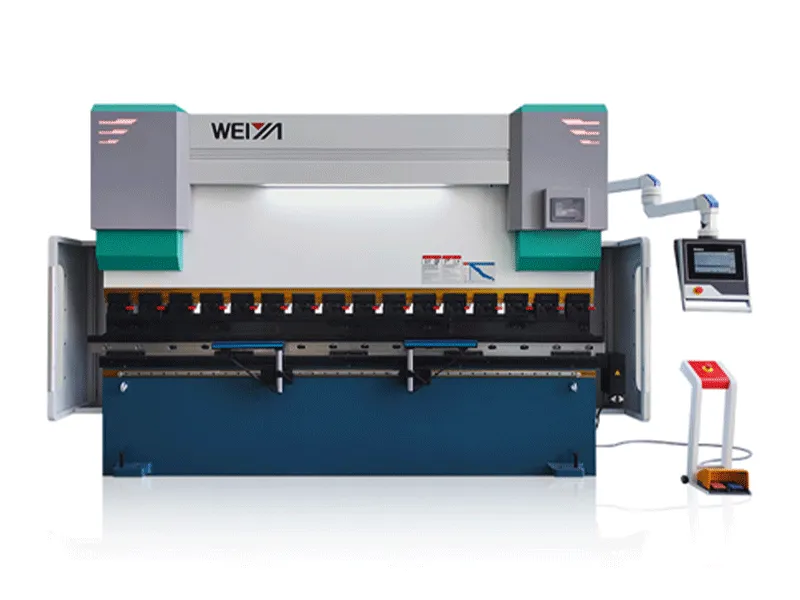
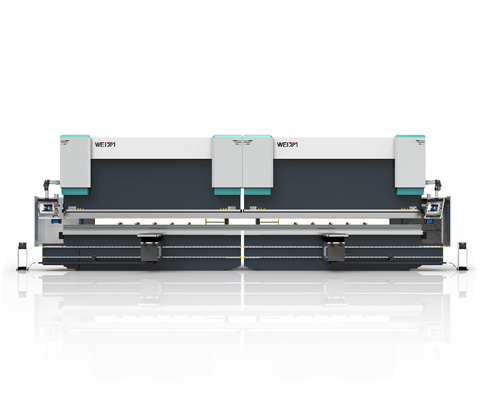
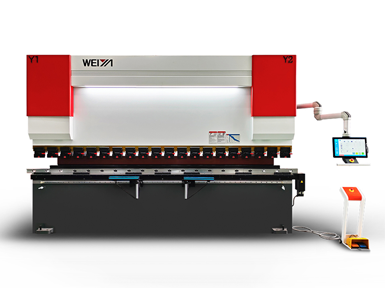
A press brake, by contrast, uses a punch and die to force the sheet into a V, U, or custom-shaped opening. Hydraulic or CNC-controlled systems—such as WEIYA’s Genius Press Brake and Smart CNC Press Brake—allow for controlled force, stroke, and multi�axis positioning, making them suitable for thicker materials, more complex geometries, and tighter tolerances. As a result, press brakes are generally more versatile for heavy-duty industrial fabrication and intricate part designs.
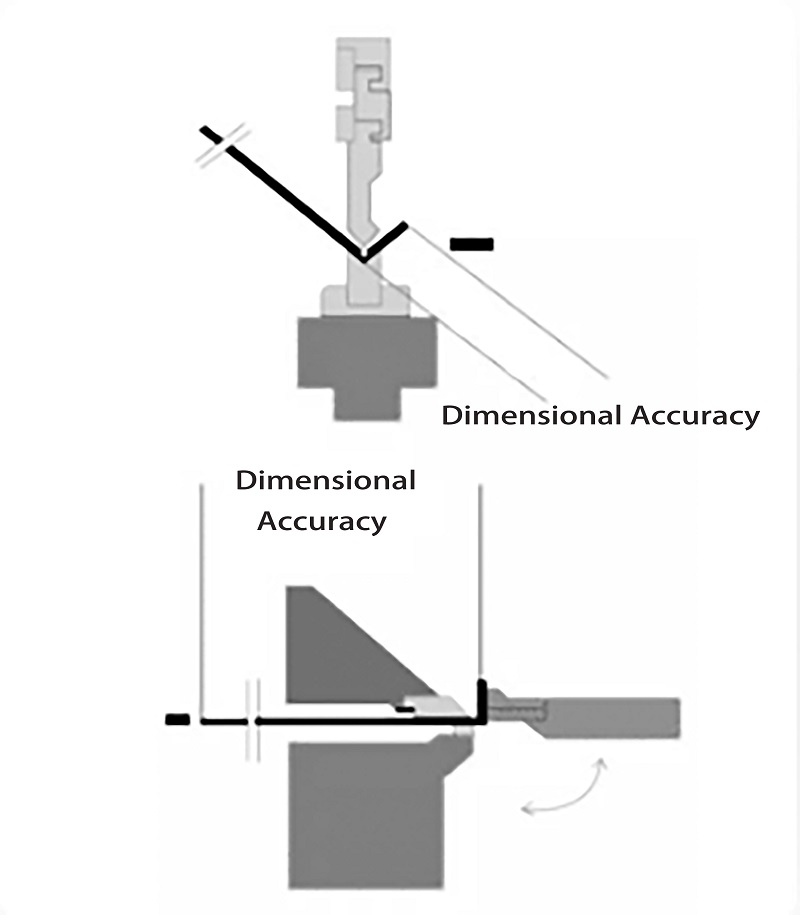
Understanding the Operating Principles of Folding Machines
Folding machines are built around a clamping beam, a folding beam, and a support table. The sheet is placed on the table, clamped along the bend line, and then the folding beam rotates up or down to form the bend to the programmed angle. Because the workpiece is supported and only the bent flange moves, operators can handle large, thin sheets with less effort and fewer risks of distortion.
Setup on a folding machine is typically straightforward, with quick angle adjustments and minimal tooling changes. This makes folding attractive for short runs, architectural panels, doors, ductwork, and similar parts where speed and ease of handling matter more than extreme forming power. However, folding machines are generally limited in maximum thickness and are not the best choice for very heavy plate or highly complex, multi�step geometries.
The Mechanics and Functionality of Press Brake Machines
Press brakes rely on vertical force to form parts. The ram, carrying the punch, moves down toward the bed where the die is mounted, pressing the sheet into the die opening to create the bend. CNC press brakes, including WEIYA’s Elite CNC, Smart CNC, and other models, use multi�axis control (ram Y�axes, back�gauge X/R/Z axes, and more) to position the sheet and tools precisely for each bend.
Modern press brakes often include back�gauge systems for accurate part location, crowning systems to compensate for deflection over long bends, and energy�efficient drives such as hybrid servo motors to reduce power consumption. These features allow press brakes to handle thicker materials, complex multi�bend parts, and demanding tolerances, making them a backbone in automotive, aerospace, and general industrial fabrication.
Key Distinctions in Application: When to Use Each Machine
For lighter-gauge sheet metal and straightforward bends—like those in HVAC ducting, cladding, and many architectural elements—a folding machine is often the most practical choice. It offers fast operation, easy handling of large panels, and good surface protection, with lower tooling complexity.
When your work involves thicker material, deeper boxes, tight radii, or complex bend sequences, a press brake becomes the more appropriate tool. WEIYA’s press brake portfolio, from Smart CNC to Giant Press Brake, is designed to accommodate heavy sheets and intricate shapes while maintaining precision and repeatability. In many shops, you’ll see folding machines used for thin, large-format parts and press brakes reserved for structural, high�strength, or high�complexity work.
Advantages and Limitations: Choosing the Right Bending Solution
Folding machines excel in speed, ergonomics, and simplicity for thin sheet work. They reduce manual handling issues on large panels and can be very efficient for repetitive, simple bends. Their main limitations show up with very thick material, tight internal radii, and highly complex part geometries.
Press brakes bring greater forming capacity, flexibility in tooling, and compatibility with advanced CNC features, supporting a wide range of materials and part designs. The trade�offs are potentially longer setups and more reliance on tooling selection and programming expertise. WEIYA’s Smart CNC, Genius, Elite, and Giant press brakes are tailored to address these challenges by combining robust construction, user�friendly controls, and energy�saving technologies.
Conclusion
In metal fabrication, folding machines and press brakes are complementary rather than interchangeable. Folding machines are ideal for fast, accurate, and cosmetic bends on lighter sheet, especially in large formats, while press brakes from WEIYA provide the power, flexibility, and precision needed for thicker materials and complex parts. Many manufacturers benefit most by integrating both technologies, allowing them to cover a broader range of applications and optimize efficiency across their entire bending operation.