5 axis laser cutting is an advanced CNC machining process in which a laser head operates along three linear axes while simultaneously rotating along two additional axes. This enables precise cutting of complex three-dimensional components from multiple angles. The technology is especially valuable for manufacturers that require accurate trimming and profiling of formed sheet metal, tubular structures, and intricate mechanical parts.
What 5 Axis Laser Cutting Means
5 axis laser cutting refers to a CNC-controlled process where the laser head moves along the X, Y, and Z axes while also rotating around two additional axes, typically referred to as A and B. This multi-axis movement allows the laser beam to approach the workpiece from nearly any direction, making it possible to perform bevel cuts, edge trimming, and detailed processing on formed or curved components. Unlike conventional flatbed laser systems, which are limited to cutting in a single plane, 5 axis machines can follow complex geometries on pre-formed or bent parts. By maintaining the optimal angle between the laser beam and the material surface, these systems ensure consistent cut quality and kerf width. As a result, many secondary operations such as manual grinding, drilling, or repositioning can be significantly reduced or eliminated.
How 5 Axis Laser Cutting Machines Work
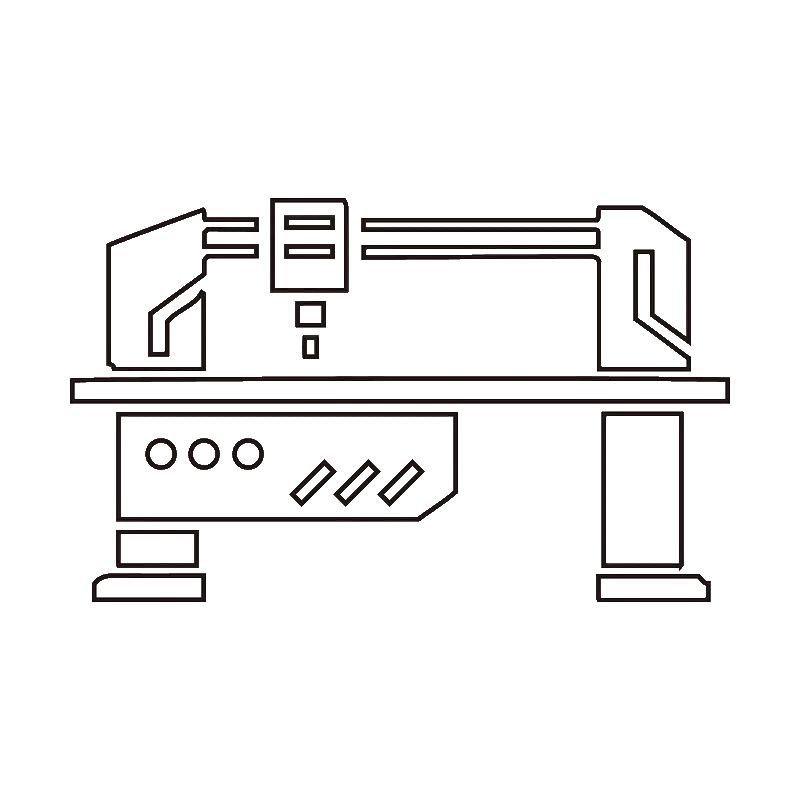
A 5 axis laser cutting machine functions by coordinating movement across three linear axes and two rotational axes, allowing the laser beam to follow complex three-dimensional toolpaths in a single setup. Most industrial systems use high-power fiber or CO₂ laser sources to cut materials by melting or vaporizing them, while assist gas removes molten material from the cutting zone. The CNC control system synchronizes all axis movements based on a 3D program generated from CAD/CAM software. In many configurations, the worktable can rotate or tilt while the cutting head moves linearly, enabling efficient processing of formed, stamped, or bent parts without the need for manual repositioning. The system continuously adjusts the angle of the laser head to produce bevels and multi-angle features, ensuring precise alignment with the surface being cut.
Key Benefits of 5 Axis Laser Cutting for Complex Parts
5 axis laser cutting significantly enhances the efficiency and flexibility of manufacturing complex components by enabling multi-angle cutting within a single automated process. Because the laser head can tilt and rotate, it can access features on formed parts that would otherwise require multiple setups or additional machining steps.
This capability reduces the need for fixtures and manual intervention, lowering labor costs and shortening production cycles. The precision of modern laser systems also allows features such as slots, chamfers, and angled edges to be incorporated directly during cutting, minimizing the need for post-processing. Industry data indicates steady growth in the adoption of 5 axis laser technology, reflecting its value in improving productivity and part quality.
Industries That Use 5 Axis Laser Cutting
5 axis laser cutting is widely applied in industries that demand lightweight, high-precision components with complex geometries. In aerospace manufacturing, it is used to process materials such as titanium, stainless steel, and aluminum for structural and engine components that require strict tolerances.
In the automotive sector, manufacturers rely on 5 axis laser systems to trim hot-formed parts, cut hydroformed tubes, and process chassis components. This approach reduces tooling costs and allows faster adaptation to design changes. Other industries, including appliance manufacturing, medical devices, energy, and general machinery, also benefit from the flexibility of 5 axis cutting, especially in high-mix production environments where part designs frequently vary.
5 Axis Laser Cutting vs Traditional 2D and 3D Cutting
Compared with traditional 2D and basic 3D laser cutting methods, 5 axis laser cutting offers greater flexibility and efficiency for producing complex parts. Standard 2D laser cutting operates along three linear axes and is well suited for flat sheet processing but cannot adapt to curved or formed surfaces.
Basic 3D laser systems can handle some shaped components, but they often lack full multi-axis control, requiring multiple setups or repositioning to complete complex features. In contrast, 5 axis systems incorporate two additional rotational axes, allowing the laser to approach the workpiece from multiple directions. This enables the creation of bevels, angled cuts, and multi-surface features within a single operation, improving accuracy and reducing overall production time.
Modern 5 axis laser cutting systems typically operate with high-power laser sources suitable for processing a wide range of metal thicknesses and materials. These machines are capable of significantly reducing total production time for formed parts by minimizing the need for multiple setups and secondary operations.
In practical applications, manufacturers often see noticeable improvements in efficiency, including faster processing cycles and reduced material waste. The ability to complete complex cuts in one setup also improves consistency and reduces the likelihood of errors, particularly when working with high-value materials such as stainless steel and aluminum alloys.
Why Choose WEIYA for 5 Axis Laser Cutting Solutions
WEIYA focuses on delivering high-precision CNC and laser solutions that integrate seamlessly into modern manufacturing workflows. By combining 5 axis laser cutting technology with advanced motion control and process optimization, WEIYA helps manufacturers improve production efficiency, reduce lead times, and maintain consistent product quality.
With a strong background in CNC systems, WEIYA enables customers to coordinate laser cutting with upstream and downstream processes such as bending and machining. This integrated approach ensures better dimensional accuracy and reduces the risk of assembly issues. For many manufacturers, adopting a complete system solution from WEIYA transforms 5 axis laser cutting into a strategic advantage that supports both design flexibility and cost control.
Conclusion
5 axis laser cutting combines multi-axis motion control with advanced laser technology to enable precise and efficient processing of complex three-dimensional parts. Compared with traditional cutting methods, it offers greater flexibility, reduced production time, and improved overall quality. As more industries adopt this technology, manufacturers that leverage solutions from providers such as WEIYA are better positioned to enhance productivity, streamline operations, and remain competitive in demanding markets.