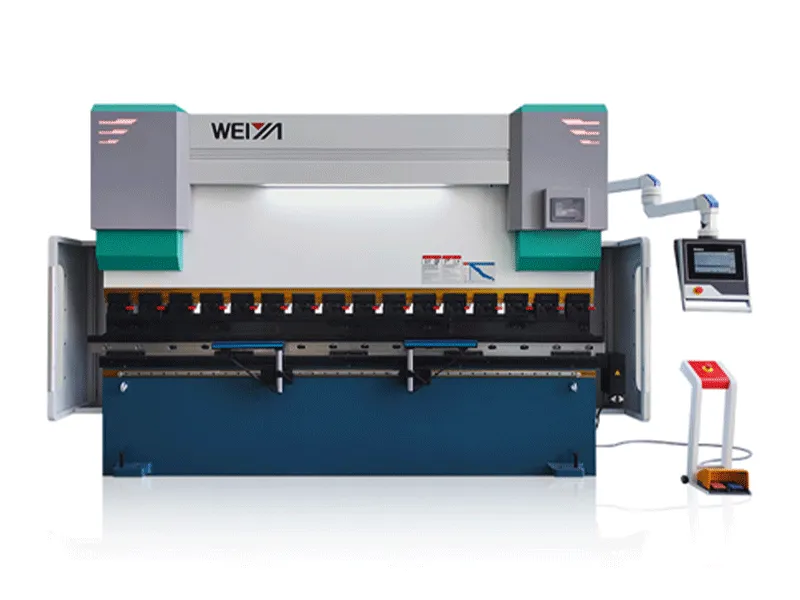
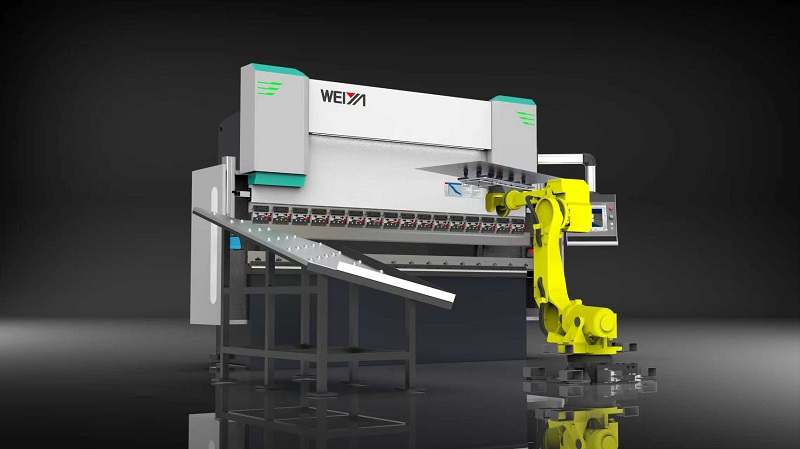
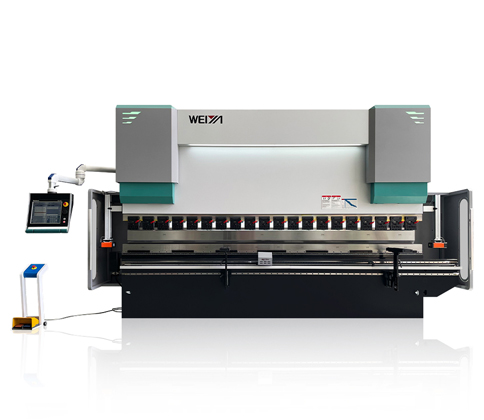
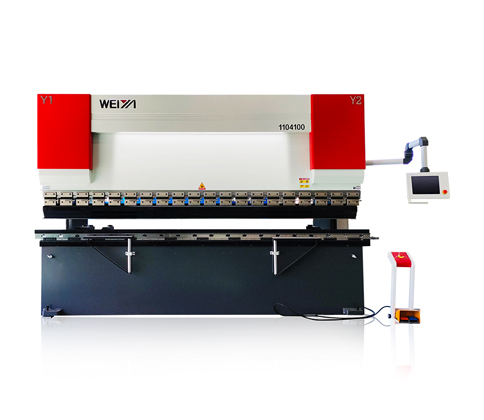
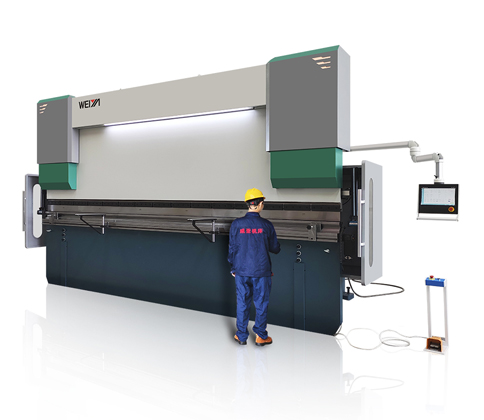
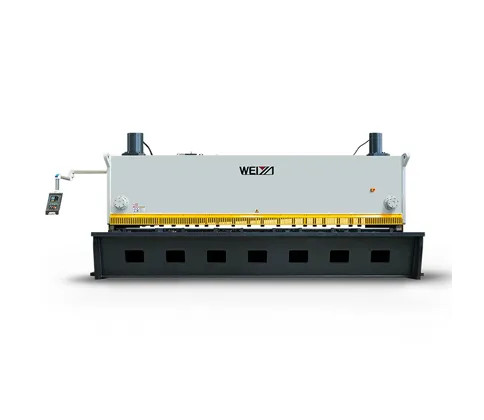
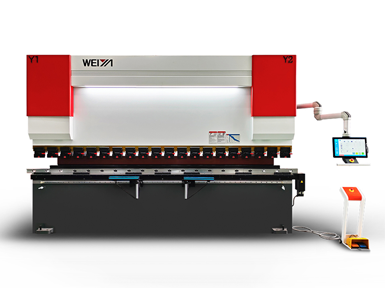
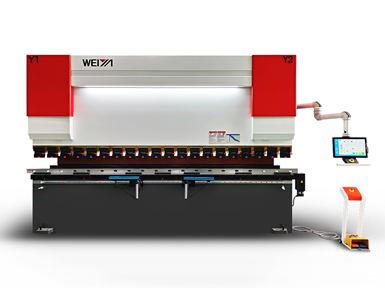
CNC press brakes are designed to execute bends with a level of precision that manual or conventional machines struggle to achieve. By using programmed parameters instead of manual adjustments, they consistently reproduce the same angle and position across large batches of parts. Multi-axis models with advanced back gauges and crowning systems keep angles uniform along the entire bend length, even on long or thick workpieces. This high accuracy is especially critical in sectors like aerospace and automotive, where small deviations can affect performance, fit, or safety. The result is fewer reworks, tighter tolerances, and a more reliable overall fabrication process.
Boosting Production Efficiency and Throughput
Automation is at the core of the efficiency gains delivered by CNC press brakes. Once a program is created and optimized, operators can run repeat jobs quickly, with minimal setup changes between batches. Integrated features like automatic bend sequencing, angle correction, and fast back-gauge positioning reduce cycle times and downtime between bends. When connected with factory networks in an Industry 4.0 environment, these machines can support real time monitoring and scheduling, helping shops respond faster to order changes and tight deadlines. Many manufacturers see a significant increase in throughput compared with traditional bending methods, without sacrificing quality.
Cost Savings and Material Optimization
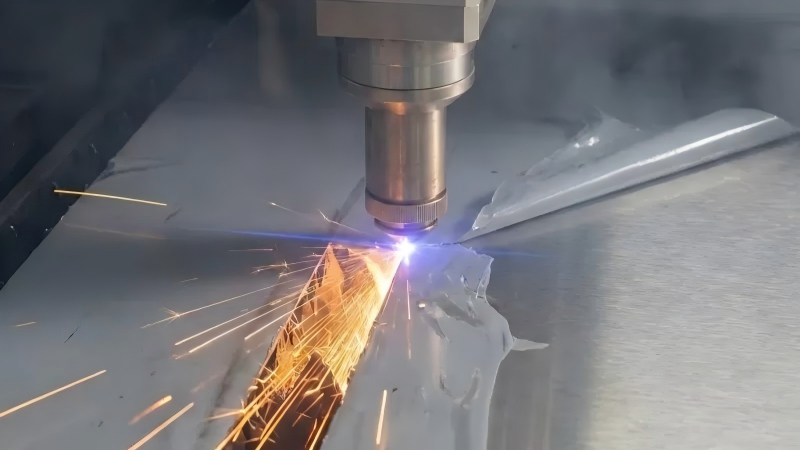
High bending accuracy directly supports cost savings by reducing scrap and rework. Because CNC press brakes produce consistent, predictable results, sheets are less likely to be ruined by incorrect angles or misalignment. When paired with accurate cutting processes, material usage can be optimized so that more usable parts are produced per sheet. Modern drives and hybrid servo or energy efficient hydraulic systems also help cut power consumption, lowering operating costs over the life of the machine. Although the initial investment in a CNC press brake is higher than for simpler equipment, the long term savings in material, labor, and energy often make it a financially sound choice.
Increased Safety and Reduced Operator Strain
CNC press brakes are typically equipped with safety systems that help protect operators while maintaining productivity. Light curtains, laser safety devices, and clearly placed emergency stops reduce the risk of contact with moving parts. Wireless or ergonomic foot pedals and controls let operators work in safer positions, limiting awkward postures and fatigue. Automated sheet supports and follower systems can handle large or heavy workpieces, reducing the need for manual lifting and positioning. Together, these features lessen physical strain and help create a safer, more sustainable working environment.
Flexibility and Versatility for Diverse Bending Needs
One of the strongest advantages of CNC press brakes is their ability to handle a wide variety of parts without extensive mechanical changeovers. Operators can switch between programs to produce different components, adjusting bend sequences, angles, and back gauge positions in software rather than hardware. This makes it practical to run both large series and small, customized batches on the same machine. With a suitable range of tooling and a capable control system, CNC press brakes can tackle simple brackets, complex multi bend parts, thick structural elements, and thin decorative pieces alike. For fabricators serving multiple industries, this versatility means fewer dedicated machines are needed and production capacity can be allocated more flexibly.
5 axis laser cutting is an advanced CNC machining process in which a laser head operates along three linear axes while simultaneously rotating along two additional axes. This enables precise cutting o...
A CNC laser cutting machine is a computer-controlled system that uses a high-energy laser beam to cut or engrave materials with exceptional precision and consistency. It plays a critical role in moder...
In metal fabrication, choosing between a folding machine and a press brake directly affects precision, speed, and the types of jobs you can take on. Although both systems create bends, they do so usin...